
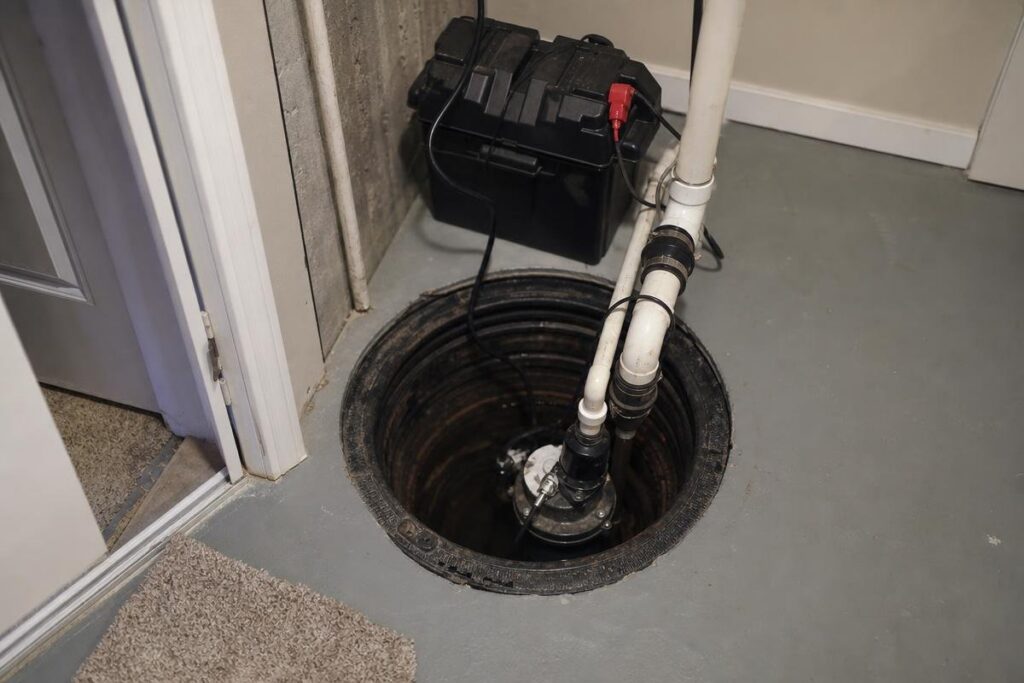
Your basement stays dry until the power goes out. That’s exactly when your primary sump pump stops working, and St. Paul’s seasonal thaw or a summer thunderstorm doesn’t wait for the lights to come back on. A reliable sump pump backup is the one thing standing between your basement floor and a costly flood cleanup.
McQuillan Home Services LLC has installed and serviced backup systems in basements across St. Paul and the surrounding metro, from the river bluffs of West 7th to the older housing stock east of Dale Street, and we know which options actually hold up when the weather turns ugly here in Minnesota. Power out. Storm rolling in. Don’t wait until water is on the floor. Talk to a licensed St. Paul plumber today.
Key Takeaways
- A sump pump backup keeps your basement protected when power outages hit during storms.
- Cold, unheated basements reduce battery performance, so sizing and placement matter more here than in warmer climates.
- Water-powered backup pumps work without a battery but require at least 40 PSI municipal water pressure to operate.
- The seasonal thaw and summer storms are the two highest-risk flooding windows for Twin Cities homeowners.
- Choosing the right backup system depends on your basement conditions, power outage history, and primary pump setup.
Why Power Outages Are the Biggest Flood Risk in St. Paul
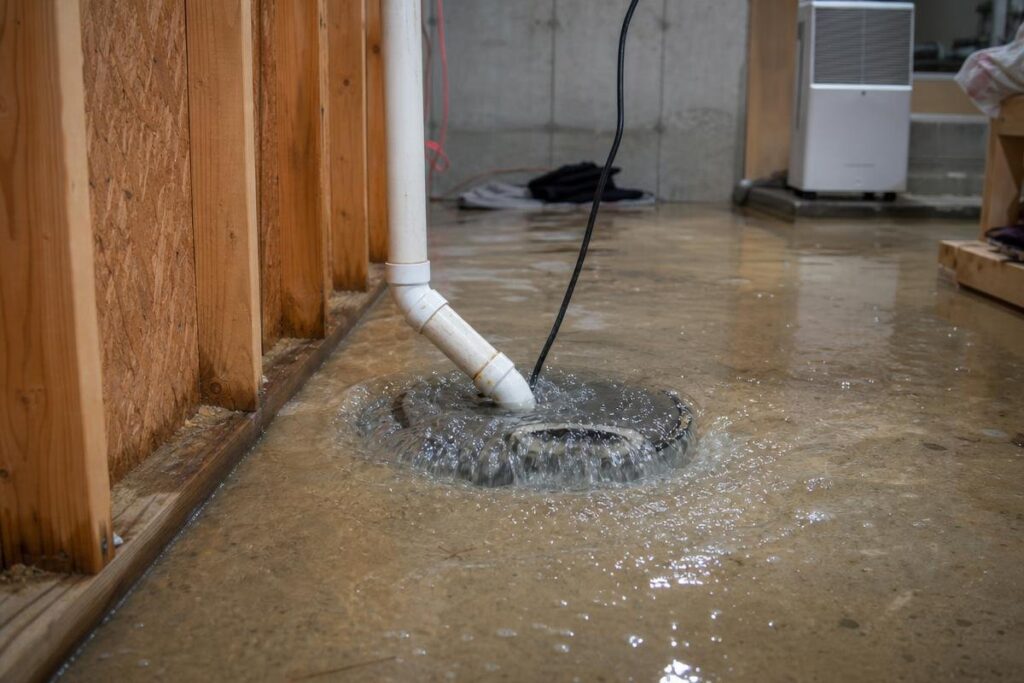
Your sump pump runs on electricity. The storms that flood Twin Cities basements are the same storms that knock out the power. That is not a coincidence. That is the problem.
In the Mississippi River valley neighborhoods near Cherokee Heights and West 7th, groundwater rises fast. The snowmelt window runs from late March into April, and summer convective storms peak through the middle of the year. During both windows, a single electric pump with no backup is one outage away from a ruined basement.
We have pulled wet-vacs out of flooded Minnesota basements. The homeowner always says the same thing: the pump was working fine right up until the power went out.
Everything you need to choose the right backup system for your home is covered below. We will walk you through the three main backup types, including battery, water-powered, and combination systems. We will cover sizing, materials, monitoring, and year-round maintenance.
If you are starting from scratch, reviewing your current pump setup and basement conditions is a good place to begin before reading further. Basement flood protection in St. Paul starts with one honest question: what happens to your pump when the lights go out?
What Types of Sump Pump Backup Systems Are Available?
Your primary sump pump works great until the power goes out during a summer storm or the seasonal thaw overwhelms it. That is exactly when a sump pump backup earns its keep. There are three main types to know: battery backup, water-powered, and combination systems. Each fits a different situation, and the right choice often depends on your neighborhood and what your basement is worth protecting.
Battery Backup Sump Pumps
A battery backup unit runs on a 12V deep-cycle marine or AGM battery. It kicks in automatically when your primary pump loses power. Most units push 1,000 to 2,000 gallons per hour and run 5 to 10 hours continuously on a full charge.
AGM batteries hold a charge longer and need less maintenance than standard flooded lead-acid batteries. Flooded lead-acid lasts 3 to 5 years; AGM stretches to 4 to 6 years. One thing to watch in Twin Cities winters: an unheated basement that drops toward 45 to 50°F can meaningfully reduce battery capacity, which we cover in detail below. For neighborhoods like Hamline-Midway and Frogtown where storm outages hit frequently, a battery-driven backup is often the smartest first line of defense.
Water-Powered Sump Pump Backup
A water-powered backup uses no electricity and no battery. It runs on municipal water pressure through a venturi valve that creates suction to move water out of the pit. You need at least 40 PSI to operate one. St. Paul Regional Water Services typically delivers 60 to 80 PSI, so pressure is not a barrier here.
The tradeoff: it uses roughly 1 gallon of city water for every 2 gallons it pumps. Your water bill will reflect that during heavy use. You also need to confirm permit and backflow requirements with the city before installation. This system suits homes where battery maintenance is a concern and municipal pressure is reliable.
Combination Sump Pump Systems
A combination system puts a primary AC pump and a battery-driven backup inside one housing unit. It costs more upfront, but it simplifies installation and reduces the footprint in your sump pit. For finished basements in Summit Hill, Mac-Groveland, and Highland Park, where a flood means tearing out drywall and flooring, the extra investment makes sense.
If you have already noticed warning signs your current pump is struggling, a combination unit consolidates your protection into one serviceable package.
|
Type |
Power Source |
Maintenance |
Best For
|
|---|---|---|---|
|
Battery Backup |
12V AGM or lead-acid battery |
Battery replacement every 3 to 6 years |
Outage-prone neighborhoods, older housing stock |
|
Water-Powered |
Municipal water pressure |
Low, annual inspection |
Homes with reliable city pressure, no battery upkeep |
|
Combination |
AC power plus battery |
Moderate, two components to monitor |
Finished basements with high remediation risk |
How Do You Size a Backup Sump Pump for a St. Paul Basement?
The most common sizing mistake we see is homeowners buying a backup rated lower than their primary pump. If your primary fails during a heavy runoff surge and the backup can’t keep up, you still end up with a flooded basement. Getting the numbers right before you buy matters.
Matching Backup Capacity to Your Primary Pump
Always compare pumps at the same head height, not the zero-head number printed big on the box. Manufacturers use zero-head ratings because they’re always higher. A typical Twin Cities basement has 8 to 10 feet of head. A 1/3 HP primary pump rated at 2,200 GPH at zero head might deliver around 2,200 GPH at the inlet but only 1,800 GPH at 10-foot head. Your backup should deliver at least 1,500 to 2,000 GPH at that same 10-foot head height to give you real protection.
If you’ve noticed signs your sump pump is struggling during heavy rain, that’s often a signal the primary is already undersized, which means the backup needs to work even harder.
How St. Paul Soil and Water Table Affect Sizing
The ground under your home plays a direct role in how hard any backup has to work. The metro sits on glacial till and river valley soils. Clay-heavy ground holds water longer than sandy soil, which means the backup runs longer per event, not just during the storm but for hours or days after it passes.
Homes near the Mississippi River bluffs in West 7th and Lilydale face the highest sustained water table pressure, especially during the spring runoff window. Como Lake area homes see similar conditions. In these neighborhoods, we typically recommend sizing up to a 3/4 HP backup or a combination unit rather than a standard 1/2 HP battery unit. The extra capacity isn’t overkill. It’s what keeps your basement flood protection working through a full multi-day event, not just the first hour of a storm.
Not sure if your backup can handle your basement’s actual water load? Our licensed team will size it right and test it before storm season. Request a visit online.
Does the Material Your Backup Pump Is Made Of Actually Matter?
Yes, it does. The material your backup pump is made of affects how long it runs, how reliably it starts, and whether it survives years of sitting idle in a cold basement. A backup that never runs is still under stress from temperature swings and moisture. What it’s built from determines whether it’s ready when you actually need it.
Cast Iron vs. Thermoplastic Housings
Cast iron dissipates heat better than plastic. That matters when your backup pump runs for six to eight straight hours during a power outage in a heavy runoff storm. Thermoplastic housings are lighter and cheaper, but they can warp or crack in cold conditions. Unheated basements in the Cherokee Heights and Lilydale areas routinely drop to 45 to 50 degrees Fahrenheit in the depths of winter. A thermoplastic housing that sits cold for months and then has to run continuously during the thaw is working against its own limits.
Cast iron or stainless steel impellers are worth the extra cost for a battery-driven backup that may run hard during your highest-risk windows. Our team typically recommends cast iron for any backup system going into an unfinished basement with significant seasonal temperature swings.
Float Switch Types and Why They Fail
Float switch design is where most backup pump failures actually start. Here are the three main types and how they perform in a real backup application:
- Tethered float: Can tangle in narrow sump pits. Also prone to sticking in the off position after months of sitting idle.
- Vertical float: More reliable in tight spaces, fewer tangle issues, but still has moving parts that can wear or stick.
- Electronic or pressure sensor: No moving parts. Most reliable option for a backup pump that may go untouched through the winter. Eliminates the stuck-float failure mode entirely.
A tethered float that sits dormant all winter and then fails to trigger during a spring storm is a problem you won’t know about until your basement is already wet. Electronic sensors remove that risk. For more on what to watch for before a pump fails, test your backup quarterly and watch for unusual cycling patterns.
Regardless of switch type, test your backup quarterly. Pour water into the pit and confirm the pump activates. It takes two minutes and tells you whether your system is actually ready.
Should Your Backup Sump Pump Have Wi-Fi Monitoring?
Not every backup system comes with smart monitoring, and plenty of homeowners get by without it. But if your basement flooded once, or you travel for work, or you sleep through storms, a Wi-Fi module earns its cost fast.
What Smart Monitoring Actually Tells You
A Wi-Fi monitoring module sends real-time alerts straight to your phone. You see when the backup activates, what the battery charge level is, and how many times the pump has cycled. That last number matters more than most people realize. If your backup is cycling far more often than usual, it usually means the primary pump is struggling.
That pattern is one of the clearest early sump pump failure signs you can catch before water hits the floor. Some units also log run history over time, which gives our team real data to work from during a service call instead of guesswork.
When an Alert Can Save Your Basement
The Twin Cities storm season peaks in summer, and the worst events tend to hit overnight. A homeowner in Highland Park or Payne-Phalen who gets a 2 a.m. push notification that their backup just activated has a real window to act. That alert means the battery is running and the clock has started. Without monitoring, the first sign of trouble is standing water.
Our team is available 24/7 for emergency service. If your backup fires at 2 a.m. during a storm, you can reach us right away online. That is the whole point of having monitoring tied to a local crew who can actually show up.
How Do You Maintain a Sump Pump Backup System Year-Round?
Your backup system needs regular attention to work when it counts most. Twin Cities winters are especially hard on these systems. Cold unheated basements drain battery capacity, and discharge pipes can freeze solid when temps drop to -10°F or -20°F. Here is your year-round checklist.
Quarterly Maintenance Tasks
- Pour water into the pit to confirm the backup activates and pumps correctly.
- Check battery terminals for corrosion. Clean with a baking soda and water solution if needed.
- Inspect the discharge pipe for blockages or ice buildup. A frozen line in the dead of winter means a flooded basement.
- Confirm the check valve on the backup discharge line closes fully to prevent backflow into the pit.
Annual Maintenance Tasks
- Test the battery under load. A battery that holds a resting charge can still fail the moment the pump draws power.
- Clean the pit. Sediment and debris clog the pump intake screen and reduce performance.
- Schedule a licensed plumber to inspect the full backup system before the thaw. Late February is the right window for homes in Frogtown and Dayton’s Bluff, where older housing stock and clay tile drainage add extra risk.
When to Replace the Battery
- Flooded lead-acid batteries: replace every 3 to 5 years.
- AGM batteries: replace every 4 to 6 years.
- Any battery older than 5 years should be replaced before storm season, regardless of how it tests at rest.
- Batteries stored in unheated basements lose capacity through the cold months. Do not wait for a failure alert to act.
If you want a professional set of eyes on your system before the thaw hits, McQuillan Home Services LLC offers sump pump maintenance visits. One request and we handle the checklist for you.
What St. Paul Homeowners Should Know Before Buying a Backup System
Basement flooding risk in the Twin Cities peaks twice a year. Runoff hits hard from late March into April. Then summer storms roll through the warm months. If your sump pump loses power during either window, you need a backup that is already sized, installed, and tested. Buying one after water is on your floor is too late.
Older Homes Need Extra Attention
Homes built before 1980 carry a risk that newer construction does not. Many still have original clay tile sewer lines running under the foundation. Those lines crack, shift, and collect tree roots in your sewer line over decades. When a basement floods in one of these homes, sewage can back up through floor drains within hours. That changes the math on what a backup system is worth. The cost of a backup unit looks very different next to a sewage remediation bill.
Cold Basements Cut Battery Capacity
Here is the detail worth planning around: an AGM battery sitting in a 45 to 50 degree unheated basement can lose roughly 20 to 30 percent of its rated capacity, and the drop accelerates as temperatures fall further toward freezing. That matters during a winter power outage. You have two ways to protect against it. First, size your battery larger than the label specs suggest so you keep real runtime in reserve.
Second, insulate the battery enclosure or relocate it to a warmer part of the basement near a heat source to hold it closer to room temperature. A larger capacity battery is cheap insurance compared to a flooded basement.
Check City Permit Requirements Before Installing Water-Powered Backup
Municipal water pressure across the Twin Cities metro typically runs 60 to 80 PSI, which meets the minimum threshold for a water-powered backup pump. But the city may require a permit and backflow preventer before you connect one to your supply line. Confirm requirements with the city before any installation. Our team handles that process for you and makes sure the system is code-compliant from day one.
Frequently Asked Questions
How long will a battery backup sump pump run during a power outage?
A standard 12V battery backup sump pump runs 5 to 10 hours of continuous pumping, or 24 to 48 hours of intermittent pumping. AGM batteries land at the higher end of that range. Runtime drops fast if water is entering your basement quickly, so sizing matters as much as battery type.
Can I install a sump pump backup system myself, or do I need a plumber?
A basic battery backup unit is within reach for a capable DIYer. Water-powered systems are a different story. Tapping into your supply line and meeting local plumbing code requires a licensed plumber. Combination systems that modify your primary pump discharge also need a pro. If you are unsure what you have, contact a licensed plumber to assess your setup before you start.
What is the difference between a battery backup and a water-powered backup?
A battery backup sump pump runs off a rechargeable 12V battery. It works during power outages and when your primary pump gets overwhelmed. A water-powered backup uses municipal water pressure through a venturi valve, so there is no battery to maintain. The tradeoff is that it consumes city water and requires at least 40 PSI of municipal pressure to operate. Neither system is universally better. Your basement, your water table, and your risk window all factor in.
How often should I replace my backup sump pump battery?
Flooded lead-acid batteries need replacement every 3 to 5 years. AGM batteries last 4 to 6 years. If your battery is approaching that window, replace it before storm season hits. Cold basements in the Twin Cities area can reduce AGM battery capacity by 20 to 30 percent, so do not push it to the limit.
Will a backup sump pump activate if my primary pump fails mechanically, not just during a power outage?
Yes. Most backup systems include a float switch set slightly higher than the primary pump’s float. If your primary pump seizes or burns out, water rises until it hits the backup’s trigger level and the backup kicks on. This is one of the best reasons to have a backup even if your power never goes out. Have a licensed plumber inspect your system annually so you catch problems before a storm arrives.
How much does a sump pump backup system cost?
Pricing varies based on your system type and what your existing setup requires. Contact us online for an inspection and we will give you a straight estimate with no guesswork.
A backup sump pump is only useful if it is sized right, installed correctly, and maintained before the storm hits. Our team handles sump pump backup installation, maintenance visits, and 24/7 emergency service across the Twin Cities. Contact McQuillan Home Services LLC online to schedule an inspection before the next storm season.
We will confirm your backup can handle your basement’s actual water load and that everything meets local plumbing code. Do not wait until the water is already on the floor.
Ready to Get Started with McQuillan Home Services LLC?
Get in touch to speak with our team directly. We’re ready to answer your questions, walk you through your options, and help you find the right solution for your needs. Whether you’re just starting to plan or ready to move forward, we’ll make the process simple and stress-free. Schedule a backup system inspection before spring snowmelt puts your basement to the test. Reach out online to schedule.