
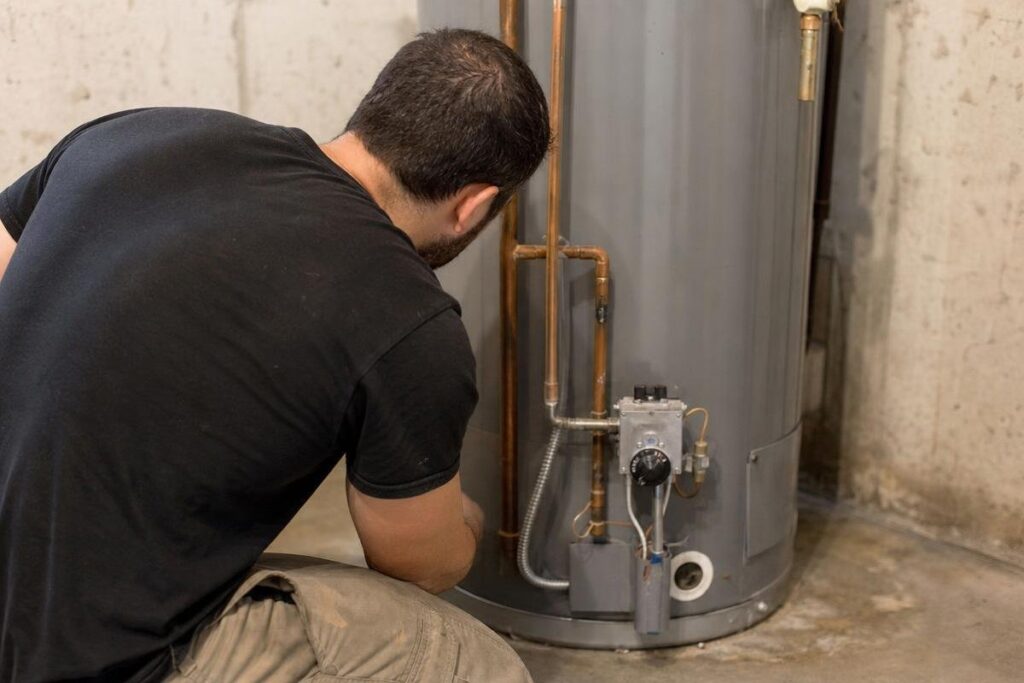
That rumbling, popping, or hissing coming from your water heater is not something to ignore. In St. Paul, where incoming water can carry 15 to 25 grains per gallon of minerals, sediment builds up on tank floors faster than most homeowners expect. That buildup is the most common reason a water heater making noise suddenly gets loud.
McQuillan Home Services LLC has been diagnosing and fixing water heater problems across the Twin Cities for over 140 years, and our licensed plumbers can tell you quickly whether you need a flush, a repair, or a full replacement. Hearing strange sounds from your water heater? Get answers today.
Key Takeaways
- Rumbling and popping noises most often point to sediment buildup on the bottom of your tank.
- St. Paul’s mineral-rich water accelerates scale accumulation, especially in older homes with aging supply lines.
- Some water heater noises are harmless, but hissing or banging sounds can signal a pressure or plumbing problem.
- A noisy tank may need only a flush, but units over 10 years old are often worth replacing.
- A licensed plumber can diagnose the exact cause and give you a clear repair-vs-replace recommendation fast.
What Your Water Heater Is Trying to Tell You

Your water heater is making noise, and you want to know if it’s a big deal. Popping, rumbling, banging, and hissing are the four sounds our plumbing team hears about most from homeowners across the Twin Cities. They are not random quirks. Each one points to a specific problem inside your tank.
What’s causing the sound often depends on your local water supply. St. Paul’s municipal water carries moderate mineral hardness, which means sediment builds up on tank floors faster than many homeowners expect. Older neighborhoods like Cathedral Hill and Payne-Phalen have water heaters well past their prime, and that combination makes noise complaints especially common here.
If you want to know whether your situation calls for a quick flush or a full replacement, below we cover the causes, some signs your home has hard water, DIY steps, and when to call a pro.
The 6 Most Common Water Heater Noises and What They Mean
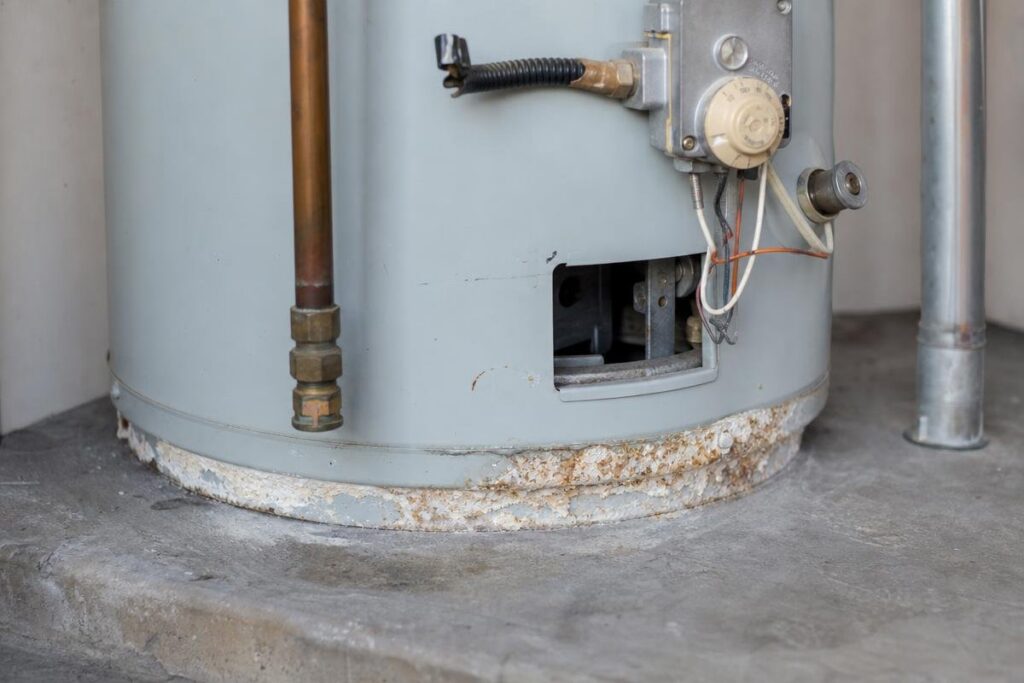
The six most common water heater noises are popping, rumbling, banging, hissing, screeching, and ticking, and each one points to a different underlying cause. Some are minor. Some need attention today. Knowing which sound you’re hearing helps you decide whether to grab a phone or just let it go. Here’s a quick breakdown of each.
Popping or Rumbling
This is the most common noise we hear about in the Twin Cities area. Mineral deposits from your water supply, mainly calcium and magnesium carbonate, settle on the tank floor over time. Water gets trapped under that sediment layer, heats up, and forces its way through. That’s the popping or rumbling you hear.
Saint Paul Regional Water Services water runs at roughly 15 to 25 grains per gallon of hardness depending on the season. That’s enough to build a meaningful sediment layer within a few years. If your unit is already 8 to 10 years old, this problem compounds fast. Risk level: medium.
Banging or Hammering
This one usually isn’t coming from the tank itself. It’s water hammer, a pressure surge that hits your pipes when a valve closes fast. Older homes in Frogtown and the West Side with galvanized supply lines are especially prone to this. A water hammer arrestor, a small shock-absorbing device installed on the supply line near the fixture or the water heater, cushions those pressure spikes.
Adding one at an accessible fixture is a reasonable DIY project, but installing it into concealed or soldered supply lines is a job for a licensed plumber. Risk level: low to medium.
Hissing or Sizzling
On a gas unit, this often means condensation is dripping onto the burner. On an electric unit, it can point to a leaking tank or a failing element gasket. Either way, you need to find the source. A leak left alone causes bigger problems fast. Risk level: medium to high.
Screeching or Whistling
Check your inlet valve first. If it’s partially closed, water squeezes through the narrow opening and screams. A clogged heat trap nipple or a failing temperature and pressure relief valve can also cause this sound. The T&P valve is a safety component. If that’s the source, don’t wait on it. Risk level: medium.
Ticking or Tapping
This is usually normal. Pipes and the tank shell expand and contract as water heats up. Heat traps doing their job also tick. If the sound is faint and consistent, it’s likely nothing to worry about. If it’s new and loud, take a closer look. Risk level: low.
Knocking or Gurgling
Trapped air in your supply lines can cause knocking. So can a deteriorating dip tube. When a dip tube breaks apart, plastic fragments rattle around inside the tank and cold water mixes with hot water near the top of the tank. Your hot water output drops noticeably. Risk level: medium.
Is a Noisy Water Heater Dangerous?
Most water heater noises are not an emergency. But a few are. Knowing the difference matters, especially if you have an older unit in a neighborhood like Dayton’s Bluff or Hamline-Midway where water heaters past their service life are common.
Noises That Are Safe to Monitor
These sounds are worth watching, but they do not require you to shut anything down right now.
- Ticking or tapping: Usually heat trap nipples expanding and contracting. Normal operation.
- Light rumbling or popping: Sediment on the tank floor. A water heater popping noise like this reduces efficiency and shortens tank life, but it is not a safety hazard today. If your home has signs of hard water, sediment builds faster.
Noises That Signal a Real Safety Risk
Stop using the water heater and call for help if you notice any of these.
- High-pitched screeching or squealing: The T&P relief valve may be venting excess pressure or temperature. That valve exists to prevent a tank rupture. Do not ignore it.
- Hissing plus a puddle at the base: Active leak. Turn off the cold water supply to the tank immediately.
- A rumbling tank combined with a sulfur or rotten-egg smell: On a gas unit, this points to a gas issue. Turn off the gas supply valve, leave the house, and contact our 24/7 emergency team.
Smell gas or see water pooling at the base of the tank? Don’t wait.
Why St. Paul Homes Are Especially Prone to Sediment Buildup
If your water heater seems noisier than your cousin’s in Woodbury or Eagan, there’s a real reason for that. The water coming into your home and the age of your house both work against you here.
How Municipal Water Hardness Affects Your Tank
Saint Paul Regional Water Services pulls from the Mississippi River and treats it before it reaches your tap. That water carries moderate to high mineral hardness, roughly 15 to 25 grains per gallon depending on the season. The city blends groundwater and surface water throughout the year, which shifts hardness levels in ways most homeowners never think about.
Every time your tank heats up, calcium carbonate drops out of solution and settles on the tank floor. That layer builds up over months. Eventually it’s thick enough to cause the popping and rumbling sounds covered earlier. If you’ve noticed other signs of scale around your fixtures, checking your water hardness gives you a fuller picture.
Winter makes it worse. Incoming water temperatures drop to around 40 to 45 degrees Fahrenheit, so your tank runs harder and longer every cycle. More heat cycles mean faster sediment precipitation on the tank floor.
Older Housing Stock and Aging Water Heaters
A large share of homes in Cathedral Hill, Dayton’s Bluff, Payne-Phalen, Frogtown, and Hamline-Midway were built before 1970. Many still have original or aging galvanized supply lines. Those pipes shed particulates into the water, adding to the mineral sediment already settling in your tank.
Water heaters in these neighborhoods are often 12 to 15 years old or more, well past the 8 to 12 year typical service life for a tank unit. An aging anode rod stops protecting the tank lining, corrosion accelerates, and the noises get louder. Hard water also shortens the life of a tankless unit’s heat exchanger if it goes without regular maintenance.
Troubleshooting Steps You Can Take Before Calling a Plumber
Before you pick up the phone, there are four things you can check yourself. Some of these fixes take less than 30 minutes. Others will tell you right away that you need a pro. Either way, you’ll know more than you did before you started.
Step 1: Check the Temperature Setting
The factory default on most units is 140°F. The EPA recommends 120°F for most households. A setting above 140°F raises internal pressure and can make hissing or screeching worse. On gas units, the dial is on the gas valve itself. On electric units, it’s behind an access panel on the side of the tank. Turn it down to 120°F and see if the noise changes.
Step 2: Flush the Tank
This is the most effective DIY fix for a water heater popping noise and rumbling. Sediment sitting on the tank floor is almost always the cause. Here’s how to do it safely:
- Set the thermostat to pilot (gas) or off (electric).
- Connect a garden hose to the drain valve at the base of the tank.
- Run the hose to a floor drain or outside.
- Open a hot water tap upstairs to break the vacuum.
- Open the drain valve and let it run until the water runs clear. On a 40-50 gallon tank, that typically takes 10-20 minutes.
One caution: if your tank is over 10 years old, the drain valve may be corroded. In the North End, Summit-University, and other neighborhoods with older housing stock, this is common. Minnesota’s hard water speeds up valve corrosion. Do not force a stuck valve. A snapped valve means a flood. If it won’t budge, stop and contact us online. A partially closed inlet valve can also reduce water pressure throughout your home, so it’s worth checking that next.
Step 3: Test the T&P Valve
The temperature and pressure relief valve is a safety device, not a DIY repair target. To test it, lift the lever briefly. It should release a small burst of water and snap back cleanly. If it drips continuously after you release it, or if it’s making noise on its own, leave it alone. That’s a job for a licensed plumber. A faulty T&P valve is one of the reasons a water heater banging noise or hissing can signal something more serious.
Step 4: Confirm the Inlet Valve Is Fully Open
The cold water inlet valve sits above the tank. If it’s only partially open, you’ll hear whistling or a hot water heater making noise under load. Turn it fully counterclockwise. That’s it. Simple fix, but it gets overlooked more often than you’d think.
Tried these steps and still hearing noise? Our plumbing team can diagnose the problem fast and tell you exactly what it needs.
How to Prevent Water Heater Noises Before They Start
Most water heater noise is preventable. The rumbling, popping, and banging covered earlier almost always trace back to sediment buildup that owners let go too long. A few simple habits keep that sediment from taking over your tank.
Annual Flushing and Anode Rod Inspection
Flush your tank once a year at minimum. If your home is in an older area where pipes can add extra particulates to the water, flush twice a year. Flushing removes the loose mineral deposits that settle on the tank floor and cause the winter noise most homeowners notice.
While you are at it, check the anode rod. This is a magnesium or aluminum rod inside the tank that corrodes slowly to protect the tank lining. Inspect it every 2 to 3 years. If it is less than half its original diameter or heavily coated, replace it. A depleted rod leads to tank corrosion, sulfur smell, and faster sediment accumulation.
Installing a Whole-Home Water Softener
The Twin Cities water supply runs at roughly 15 to 25 grains per gallon of hardness. That mineral load is the root cause of most scale buildup inside your tank. A whole-home water softener dramatically slows that process. If you are seeing signs of hard water in your home, a softener is worth serious consideration for your water heater’s long-term health.
Keeping the Temperature at 120°F Year-Round
Set your water heater to 120°F and leave it there. Higher temperatures speed up mineral precipitation inside the tank and increase pressure fluctuations. Minnesota’s incoming water drops to 40 to 45°F in January and February, so your heater is already working hard. A well-maintained tank at the right temperature handles that cold-water stress far better than one running hot and full of scale. Keeping it dialed in also helps lower your energy bills through the heating season.
When Should You Call a Professional About Water Heater Noise?
Call a plumber when the noise comes with a visible leak, discolored water, a tripped T&P valve, or a unit that is more than 10 years old. Those combinations tell you the problem is past a simple flush or adjustment.
Signs That Go Beyond DIY
Some symptoms need a trained eye fast. If your hot water heater making noise is also showing any of these, stop troubleshooting and pick up the phone:
- Water pooling at the base of the tank
- Rusty or brown water coming from your hot taps
- A T&P valve that drips continuously or will not reset
- A gas smell near the unit (contact our 24/7 emergency team immediately)
- Loud banging that started suddenly and is getting worse
- Tank is 10 or more years old and noise has not improved after flushing
A lot of homes in the West Side and North End are running tanks well past that 10-year mark. Older galvanized supply lines in pre-1970 homes add particulates that speed up the damage.
Repair or Replace: How to Decide
A unit under 8 years old with sediment noise is usually worth flushing and maintaining. A unit 10 to 12 or more years old with multiple symptoms, noise, rust, and slow recovery, is usually more cost-effective to replace.
Tankless water heaters are a popular upgrade for Twin Cities homeowners who want longer service life and lower energy use. Our team handles both water heater repair and water heater installation, so we can walk you through whichever direction makes sense for your home. Weighing repair against replacement? Get a straight answer from a licensed plumber.
Frequently Asked Questions
Is it normal for a water heater to make noise?
Light ticking or soft tapping from thermal expansion is normal. Loud popping, banging, screeching, or hissing are not. Those sounds point to sediment buildup, a failing component, or a pressure issue that needs attention.
What does a popping noise in a water heater mean?
A water heater popping noise almost always means sediment on the tank floor. Water trapped under that mineral layer heats up, forces through the crust, and makes that popping sound. Twin Cities water runs 15 to 25 grains per gallon of hardness, so this is a common problem here. Flushing the tank removes the sediment and usually stops the noise.
Can I still use my water heater if it is making noise?
For minor ticking or light rumbling, yes, but keep a close eye on it. If you hear screeching, hissing with visible moisture, or you smell gas, stop using the unit immediately and call a plumber. Those are warning signs covered in detail earlier in this article.
How do I stop my water heater from rumbling?
A full tank flush is the most effective fix. Follow that with an anode rod inspection. If rumbling continues after flushing, the sediment may be calcified and the tank may need professional descaling or replacement. A heavily sediment-loaded tank can also restrict flow and reduce water pressure throughout your home.
How much does a professional water heater flush cost in St. Paul?
Pricing for a professional flush varies depending on tank size, age, and drain valve condition. Contact us online for a quote specific to your unit.
Should I repair or replace a noisy water heater?
Use the 50% rule. If a repair costs more than half the price of a new unit and your tank is over 8 years old, replacement is usually the smarter investment. Older homes across the East Side and Summit Hill area often have tanks well past that threshold. Factor in efficiency gains too, since a new unit can meaningfully cut your monthly energy costs.
If your water heater is still making noise after trying the DIY steps above, McQuillan Home Services LLC is ready to help. Our licensed plumbers serve the Twin Cities area with 24/7 Emergency Services available when a water heater failure cannot wait. Schedule online to get a plumber out to assess your tank.
Ready to Get Started with McQuillan Home Services LLC?
Get in touch to speak with our team directly. We’re ready to answer your questions, walk you through your options, and help you find the right solution for your needs. Whether you’re just starting to plan or ready to move forward, we’ll make the process simple and stress-free. Reach out today and let’s talk about how we can help.