Emergencies can happen at any time – when you call us outside of normal business hours, our customer service reps will answer questions on service availability & pricing and will direct you to same-day emergencies services.
A home’s plumbing system is often taken for granted until something goes wrong. When the issue is localized to a single fixture, it’s usually a simple fix. However, a blockage in your main drain line is an entirely different matter. This central pipe is the highway for all wastewater leaving your St. Paul or Minneapolis home. When that pipe is compromised, the entire house can quickly come to a standstill.
Ignoring the subtle warning signs of a main line blockage is costly. A partial clog can rapidly escalate into a catastrophic sewage backup, creating a mess and posing serious health risks. In the Twin Cities, where older homes and challenging winter conditions are common, recognizing these signs early is crucial. The key is knowing the difference between a minor, isolated drain issue and a major main line crisis. By learning the seven tell-tale indicators, you can protect your property and health.
What is the Main Drain Line and Why is it the System’s Weak Point?
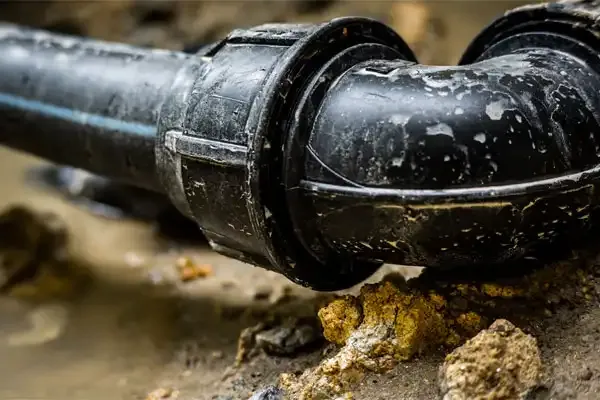
The main drain line, also known as the sewer lateral, is the single most important pipe in your home’s plumbing. It is the large pipe that runs underground, connecting your home’s internal plumbing to the municipal sewer system under the street. Every sink, toilet, shower, and washing machine ultimately drains into this single line.
This reliance on one primary line makes it the system’s most vulnerable point.
When a blockage occurs here, it affects all fixtures simultaneously.
The pipe itself is susceptible to environmental factors unique to the Minnesota climate.
In older St. Paul and Minneapolis neighborhoods, the main line may be made of clay or cast iron.
These aging materials are prone to cracking, corrosion, and pipe joint separation.
Ground movement caused by cycles of freezing and thawing, common in the Twin Cities, can cause these pipes to shift or break.
Once compromised, the line becomes an easy target for tree root infiltration or sediment buildup.
Because the main line is buried deep underground, clearing a blockage requires professional expertise. Standard plungers or small consumer drain snakes simply cannot reach the depth or power through the hardened blockages found in this critical pipe.
Why Are Multiple Fixtures Clogging Simultaneously?
One of the most definitive signs of a main drain line problem is the simultaneous failure of multiple plumbing fixtures. If your bathroom sink is slow, but your kitchen sink is fine, you likely have a local clog. However, if water is backing up across different parts of the house, the problem is centralized.
This widespread issue indicates that the blockage is past the point where all branch lines converge.
Imagine a traffic jam on the freeway: all the incoming smaller roads come to a halt.
When the main line is blocked, the wastewater from various Plumbing Fixtures has nowhere to go.
As you run the shower, the water can’t exit the house, so it seeks the next lowest exit point.
This often results in water backing up into a basement floor drain or a shower on the lower level.
When you flush a toilet, the water from the toilet may cause the water level to rise or even bubble up in your shower or tub.
This type of cross-contamination proves the issue is systemic and requires professional clearing.
If you observe this phenomenon, stop all water use immediately. Do not attempt to run the washing machine or flush the toilet again. It is time to call a professional team like McQuillan Home Services before a full sewage flood occurs.
What Do Gurgling Sounds Tell Me About My Pipes?
Gurgling, bubbling, or sucking sounds coming from your drains or toilets are not normal and are a clear warning sign. These peculiar noises are caused by air pressure imbalances in your drain system. When water flows down a pipe, it displaces the air inside. If the air cannot vent properly, it creates negative pressure.
A partial main line blockage is the common culprit behind this noise.
The clog acts as a dam, trapping air pockets behind the obstruction.
As water tries to push past this blockage, it forces the trapped air back up and through the water in your fixture traps.
This bubbling effect results in a distinctive gurgling noise.
A classic example is hearing your shower drain gurgle immediately after flushing the toilet.
Another indicator is a strange noise coming from your kitchen sink when the washing machine drains its water in the laundry room.
These sounds confirm that your main system is struggling to maintain proper ventilation and flow. A gurgling sound means a partial blockage is present, and it’s only a matter of time before it becomes a complete obstruction. Addressing the gurgling now is preventative and significantly less expensive than waiting for a full backup.
Why Do I Smell Sewage or Sulfur Near My Drains?
Unpleasant odors emanating from your drains, often described as a rotten-egg or sulfuric smell, are a serious signal of a plumbing issue. These smells are the direct result of sewer gas escaping into your home’s living space. While a minor, isolated smell might be due to a dry P-trap (the U-shaped pipe under a sink), a persistent or generalized sewer odor suggests a major problem.
A smell that is present across multiple drains indicates a main line issue.
The sewer gas, or methane, is normally vented safely outside through the plumbing vent stack on your roof.
If the main drain line has a significant blockage, it creates pressure that forces the gas backward through the system.
The obstruction can also cause water to sit and decompose inside the main line, releasing foul smells.
In some cases, the smell can indicate a serious break in the underground sewer line, allowing gas to escape near or inside your foundation.
Sewer gas can be toxic and flammable in high concentrations, making this a safety issue. Professional Clearing and inspection is necessary not only to remove the source of the odor but also to confirm the structural integrity of your line.
How Do Tree Roots and Frozen Ground Affect Twin Cities Pipes?
The unique environmental factors of St. Paul and Minneapolis homes make them particularly susceptible to main line clogs. Specifically, the mature tree canopy and the seasonal freeze-thaw cycles pose significant threats.
Tree Root Infiltration:
Twin Cities neighborhoods boast beautiful, mature trees, but their roots are constantly seeking water sources.
Older sewer lines (often clay or cast iron) have tiny leaks or separated joints that attract these roots.
Once inside the pipe, the roots form dense, hair-like mats that act as nets, catching grease, toilet paper, and debris.
These blockages are extremely tough and cannot be cleared by chemical cleaners or handheld snakes.
Clearing them requires specialized equipment like a mechanical rooter or high-pressure Hydro-Jetting.
Ground Shift and Cold Climate:
Minnesota’s deep-freeze winters cause the ground to contract and expand seasonally.
This shifting soil puts immense pressure on underground main drain pipes.
Over time, this stress can cause the pipes to crack, collapse, or become severely misaligned (known as an offset).
A cracked pipe allows soil and sediment to wash in, causing a slow, pervasive clog that eventually leads to failure.
If your home is in an established, tree-lined area of the Twin Cities and you are experiencing recurring clogs, tree root intrusion is a highly probable cause.
Why Are DIY Methods Insufficient for Main Line Blockages?
It is natural for St. Paul and Minneapolis homeowners to attempt to fix a slow drain themselves. For a simple kitchen sink clog, a plunger or a simple snake might work. However, when the problem lies in the Main Drain Line, these DIY solutions are ineffective and can even be dangerous.
The nature and location of the clog demand professional tools.
Chemical Drain Cleaners: These harsh, caustic chemicals rarely dissolve a main line obstruction (like roots or hardened grease). They primarily eat away at the pipe material itself, causing corrosion that can lead to costly pipe replacement down the road. Furthermore, the chemicals pose a risk of splash-back during a severe backup.
Handheld Snakes: Consumer-grade drain snakes are too short to reach the main drain access point, which is typically located outside or in the basement near the foundation. They are only designed to clear the superficial blockages in the P-trap or the first few feet of a branch line.
Deep Blockage Removal: A main line clog requires industrial-grade cabling equipment or a technique called Hydro-Jetting. Hydro-Jetting uses powerful, high-pressure streams of water, up to 4,000 PSI, to scour the inside walls of the pipe, completely removing hard scale, grease, and those tenacious Tree Roots.
Professional technicians, like those at McQuillan Home Services, use advanced tools like video Camera Inspection to accurately diagnose the problem before clearing it. This ensures the method used is appropriate and won’t further damage compromised pipes.
Should I Call a Plumber for a Single Slow Drain?
Generally, a single slow-draining sink or shower is a local issue that a handy homeowner can tackle. However, even an isolated slow drain can be an indicator of a larger, systemic problem waiting to worsen. The true tipping point to calling a professional comes down to the persistence and recurrence of the issue.
Consider these four factors when evaluating a slow drain:
Is it recurring? If the same fixture clogs repeatedly, even after using a plunger, it indicates a deep, chronic buildup that a snake can’t reach.
Is it a floor drain? If the basement floor drain or laundry room sink is slow, it is often a precursor to a main line backup, as these fixtures are the lowest points in the system.
Is it paired with gurgling? A slow drain that also gurgles is displaying multiple Symptoms that point to a ventilation issue or a main line restriction.
Are you in an older Twin Cities home? Homes built prior to the 1970s often have clay or cast iron pipes that are aging out. A slow drain in these homes is highly likely to be caused by Tree Root infiltration or structural pipe damage.
When in doubt, it is always safer and more cost-effective to schedule a professional diagnosis. Catching a partial clog early, especially one caused by root intrusion, can save you thousands in emergency sewer repair costs later on.
Conclusion: Protect Your Twin Cities Home with Expert Drain Care
The main drain line is the backbone of your home’s plumbing health. Recognizing the signs of a serious clog is the first and most crucial step in preventing a costly and messy sewage disaster in your St. Paul or Minneapolis home. Whether you are dealing with simultaneous fixture backups, unsettling gurgling noises, or persistent foul odors, these are not problems that can be solved with a store-bought chemical or a coat hanger.
The unique combination of older infrastructure and the environmental conditions of the Twin Cities means your home needs a specialized solution. When the stakes are high, you need the trusted expertise, specialized equipment, and local knowledge of a professional team.
Do not wait for a full-scale sewage emergency. Take proactive action to protect your property and your family’s health.
What is the difference between a drain clearing service and rooter service?
A drain clearing service is a general term for removing a clog from a pipe. Rooter service is a specific type of drain clearing. It utilizes a long, flexible, industrial-grade steel cable (or snake) tipped with a rotating cutting blade or auger head. This specialized equipment is essential for cutting through hardened obstructions like large grease clogs, sediment, and especially penetrating tough Tree Roots that have invaded the main sewer line. Rooter service is often the initial method used by professionals to restore basic flow.
How much does it cost to clear a main-line drain in St. Paul or Minneapolis?
The cost to clear a main drain line in the Twin Cities varies significantly based on the severity, cause, and location of the clog. A simple clog close to the cleanout requiring basic cabling will be less expensive than a severe blockage caused by deep-set Tree Roots or a collapsed pipe requiring Hydro-Jetting or camera inspection. McQuillan Home Services provides upfront, transparent pricing after a diagnostic assessment, so you will know the exact cost before any work begins.
What is Hydro-Jetting, and is it safe for my older Twin Cities pipes?
Hydro-Jetting is the most thorough and effective method of drain clearing. It involves using a highly pressurized stream of water, up to 4,000 PSI, directed through a specialized nozzle into the main drain line. Unlike a snake that only pokes a hole through the clog, Hydro-Jetting completely scours the inside walls of the pipe, removing all built-up sludge, grease, mineral deposits, and roots. This method is generally safe for most piping systems, but professionals always perform a video Camera Inspection first to assess the pipe’s condition, especially in older St. Paul and Minneapolis homes, to ensure the pipes can withstand the pressure.
How often should I have my main sewer line inspected or cleaned?
For homes with chronic issues, such as recurring Tree Root intrusion or very old plumbing, an annual or biennial cleaning and inspection is highly recommended. For a newer home without any known issues, regular inspection is typically unnecessary. If you notice any of the persistent Symptoms (gurgling, slow drains, odors), you should schedule service immediately. Proactive maintenance cleaning is far less expensive than emergency clearing services.
Can I use a high-pressure hose to clear my drain from the cleanout?
No. Using a standard garden hose or consumer pressure washer on the sewer cleanout is strongly advised against. Household pressure washers lack the industrial power, specialized nozzles, and necessary length to effectively clear a main line Clog. More importantly, applying pressure incorrectly can drive the Clog deeper into the system or cause water to backup out of the cleanout, flooding your yard or basement and exacerbating the problem. Professional equipment is designed to move the clog safely and entirely out to the municipal connection.