Emergencies can happen at any time – when you call us outside of normal business hours, our customer service reps will answer questions on service availability & pricing and will direct you to same-day emergencies services.
What Is HVAC Zoning and Could It Work in Your St. Paul, MN Home?
August 6, 2026
Some rooms in your St. Paul home run hot while others stay freezing. An HVAC zoning system fixes that by splitting your house into separate temperature areas, each with its own thermostat and dampers inside the ductwork. At McQuillan Home Services, we have been installing and servicing heating and cooling equipment for Twin Cities homeowners since 1883, so we know which zoning setups actually hold up through a Minnesota winter and which ones are not worth the install.
Wondering if zoning makes sense for your home? Call (651) 212-5828 to talk with a local tech.
An HVAC zoning system divides your home into separate areas, each controlled by its own thermostat and motorized dampers.
Zoning works best in two-story homes, houses with finished basements, or additions that never feel the right temperature.
Expect lower energy bills and more even comfort, but only when the system is sized and installed correctly.
Not every furnace or AC unit is compatible, so a pro load calculation should come before any zoning quote.
Why Your St. Paul Home Has Hot and Cold Spots
We walk into the same scene every July. A two-story Victorian off Grand Avenue in Mac-Groveland. The first floor reads 72°F. The upstairs bedrooms hit 80°F by 9 p.m. The basement is freezing. One thermostat, one furnace, one air handler trying to condition three very different floors. Physics wins every time. Heat rises, cool air sinks, and the bedrooms where you actually sleep become saunas.
Ranches have the opposite issue. We get calls from Hamline-Midway homeowners who finished a back office or sunroom addition. That new room runs 10 degrees colder in winter than the living room because one undersized duct branch is feeding a space the original 1955 system was never sized for. Same furnace, same thermostat, totally different result room to room.
One thermostat, onefurnace, one air handler trying to condition three very different floors. Motorized zone dampers go inside your ductwork. Each zone gets its own thermostat. A control panel reads each thermostat and opens or closes the dampers so air actually goes where it is needed. In this article we cover what zoning is, how the dampers and controls work, which St. Paul homes benefit most, real 2026 install costs, and an honest look at payback.
What Is an HVAC Zoning System?
An HVAC zoning system divides your home into separate areas, each controlled by its own thermostat, so you only heat or cool the spaces you actually use. Instead of one thermostat fighting to balance the whole house, you get independent control of the upstairs, the basement, the bedrooms, or any other zone you set up. For St. Paul homes with multiple floors or finished basements, that means fewer cold rooms in January and fewer hot upstairs bedrooms in July.
Core Components That Make Zoning Work
A multi-zone heating and cooling setup runs on three parts working together:
HVAC zone dampers. Motorized plates installed inside your supply ductwork at branch points. They open and close to direct airflow into the zones that are calling for heat or cool.
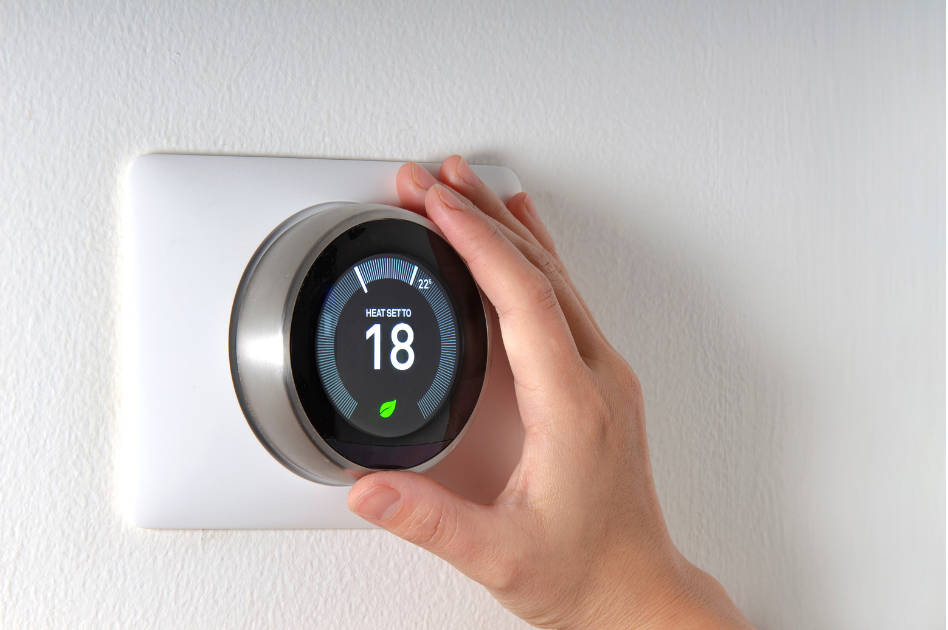
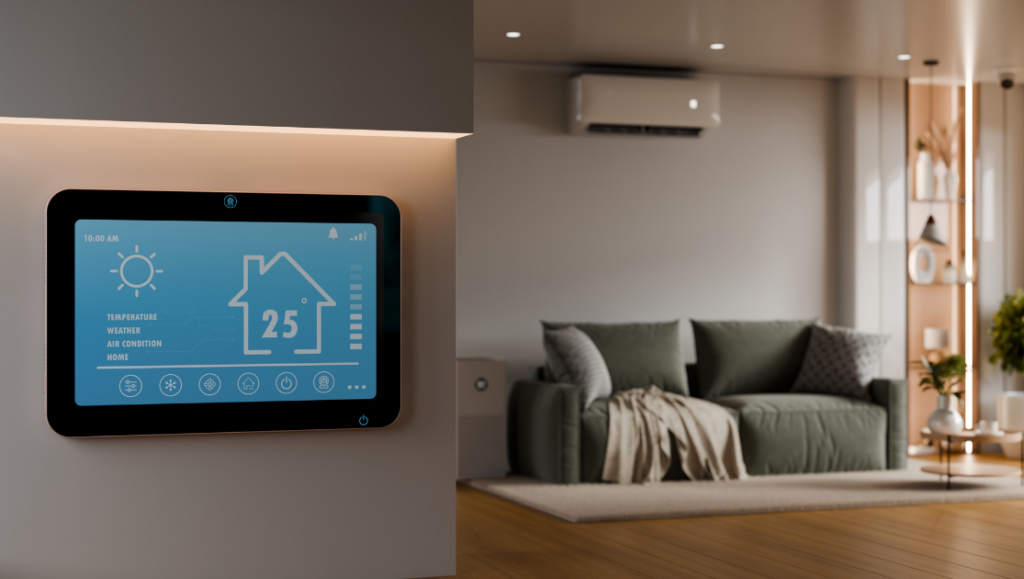
A home zoning thermostat for each zone. In 2026, most homeowners we work with choosesmart thermostat installation with models like Honeywell Home or Ecobee. Each thermostat reads the temperature in its zone and tells the system what that area needs.
A zone control board. The brain. It sits near your furnace or air handler, takes signals from every thermostat, and coordinates the dampers and the equipment so nothing fights itself.
Our team installs and services all three components out of our shop at 1727 HWY 36 E in St. Paul, so parts and replacements stay local.
Single-Zone vs. Multi-Zone Setups
If you live in a Cathedral Hill Craftsman or a Dayton’s Bluff bungalow, odds are you have a single-zone system. One thermostat, usually in the dining room or hallway, controls the entire house. That’s why you can read 76°F in the living room while the back bedroom sits at 65°F. The furnace shuts off when the thermostat is happy, even if half the house isn’t.
Multi-zone setups split the home into 2 to 6 zones based on square footage, sun exposure, and layout. A typical two-story St. Paul home might run three zones: main floor, upstairs bedrooms, and basement. Older homes with cramped or original ductwork sometimes can’t fit standard dampers, and in those cases we look atductless mini-split systems instead.
Which St. Paul Homes Benefit Most from HVAC Zoning?
Not every house needs a zone control system in St. Paul, but certain layouts are textbook candidates. If you live in a multi-story home, have a finished basement, or added square footage onto an older house, multi-zone heating and cooling almost always pays off.
Home Layouts with Temperature Imbalances
The worst offenders we see are pre-1930 two and three-story homes in Summit-University and Crocus Hill. Those Victorians and Craftsmans were built before central air existed. Heat rises through the open staircases, and by July the upstairs bedrooms run 8 to 10 degrees warmer than the main floor. One thermostat downstairs can’t fix that.
Finished basements have the opposite problem. Ground contact keeps them naturally cool, so the furnace runs longer than it should just to satisfy a main-floor reading. Payne-Phalen ranches from the 1950s with a tacked-on addition or sunroom are another classic case. That addition has its own sun exposure, its own insulation profile, and almost never matches the rest of the house.
Open-concept great rooms with vaulted ceilings cause trouble too. Conditioned air dumps into the big space and never reaches the back bedrooms. Home offices and guest rooms that sit empty most of the day still get heated and cooled on a single-zone setup, which is just wasted energy. While you’re rethinking airflow, it’s a good time to also look at indoor air quality services, since zoning and filtration work hand in hand.
Signs Your Home Could Use Zoning
Here’s a quick self-check. If two or more of these sound familiar, give us a call:
Room-to-room temperature differences of 5 degrees or more
Two or more finished floors on one thermostat
You’re constantly adjusting the thermostat up and down
A finished basement or addition that never feels right
Heating and cooling bills that keep climbing
Over 2,000 square feet running off a single thermostat
Our team works out of 1727 HWY 36 E in St. Paul, so we know these neighborhoods and these housing stocks well. A quick walkthrough tells us whether zoning makes sense or whether a different fix solves the problem cheaper.
Think your home checks the boxes? Call us at (651) 212-5828 and we’ll take a look.
Picture a hot July afternoon at a two-story home in Maplewood. The main floor thermostat reads 72 and is satisfied. Upstairs, the bedrooms are sitting at 78 and the kids are miserable. Zone 2 calls for cooling. The zone control board gets that signal, opens the upstairs damper, closes the main floor damper, and tells the air handler and condenser to fire up. Cold air gets routed only where it’s needed. That’s the whole idea in one cycle.
How Dampers and Thermostats Communicate
Each thermostat is basically a switch reporting to the zone control panel. It says “I need cool air” or “I’m good.” The panel reads those calls and tells the motorized HVAC zone dampers inside your trunk lines to open or close. Modern Honeywell Home and Ecobee zone panels can manage anywhere from 2 to 8 zones from a single board, which covers most homes in Woodbury, Roseville, and the surrounding suburbs.
The panel also talks to the air handler. It tells the blower when to run, what speed, and whether the system should be in heat or cool mode. On a variable-speed furnace, the panel can even modulate blower output to match the size of the zone calling for air.
Short Cycling and Why Bypass Dampers Matter
Here’s where bad design ruins good equipment. When only one small zone (say a single bedroom) calls for cooling, most of the dampers are closed. Static pressure in the ductwork spikes. The compressor short cycles, the coil can freeze, and you cook the equipment over time.
The fix is either a bypass (pressure relief) damper that dumps excess air back to the return, or variable-speed HVAC equipment that modulates output to match the open zone. DIY zoning kits skip this step, which is why we see them fail every year. Proper load calcs and bypass sizing are the difference between a system that lasts 15 years and one that dies in 3. That same design discipline matters for keeping your heating system healthy through Minnesota winters, when zones swing hard between sleeping and waking hours.
What Does HVAC Zoning Cost in St. Paul in 2026?
Straight answer: most zoning retrofits on existing forced-air systems run between $2,500 and $9,000 installed, depending on how many zones you need and how easy your ducts are to get to. Older homes in Highland Park and Mac-Groveland with plaster walls and original 1950s trunk lines sit at the higher end. Newer builds in Woodbury or Maplewood with accessible basement ductwork land lower.
Installation Cost Ranges
Here is what we typically see for a zone control system in the Twin Cities:
2-zone retrofit: $2,500 to $4,500 installed. Usually upstairs/downstairs split.
3-zone retrofit: $3,500 to $6,500 installed. Common for two-story homes with a finished basement.
4-zone or more: $5,000 to $9,000+. Larger homes, additions, or homes with bonus rooms over garages.
The big cost drivers are duct accessibility, number of dampers, thermostat brand (we install Honeywell and ecobee zone panels most often), and whether your existing furnace and AC handle variable speed. If your blower is single-stage, we may need a bypass damper to protect the equipment, which adds parts and labor. Older plaster-and-lath homes near Como or Summit Avenue almost always cost more because we are working around finished ceilings.
Payback Period and Real Savings
The Department of Energy estimates zoning cuts HVAC energy use 20 to 30 percent in homes with significant temperature imbalances. Run the math on a $200 monthly average HVAC bill: a 25 percent reduction saves roughly $600 a year. A $4,500 install pays itself back in 7 to 8 years on energy alone. Minnesota’s long heating season tilts the math further in your favor than it would in milder states, since you are not paying to heat empty upstairs bedrooms eight months out of the year. Pairing zoning with air conditioning maintenance tightens those savings even more.
Honest take: comfort is the real win. Sleeping in a 70 degree bedroom in July without freezing the main floor is worth more to most homeowners than the utility savings on paper. That is the energy efficient HVAC St. Paul homeowners actually feel day to day.
If your home has rooms that never feel right, an in-home assessment is the fastest way to know if dampers and zone thermostats will fix it. Call our team at (651) 212-5828. We will walk your ductwork, check your existing equipment, and give you an honest answer on whether zoning makes sense for your home.
Frequently Asked Questions
Can I Add Zoning to My Existing HVAC System, or Do I Need a New Unit?
In most cases, zoning can be retrofitted onto an existing forced-air system without replacing the furnace or air conditioner. McQuillan Home Services will assess whether your current equipment has enough capacity and compatible controls to support dampers and multiple thermostats. Older systems or those already undersized may need upgrades before zoning performs reliably.
How Long Does HVAC Zoning Installation Typically Take?
Most residential zoning installations in St. Paul are completed in one to two days, depending on the number of zones and the complexity of your ductwork. Homes with existing accessible ducts tend to move faster than those with finished ceilings or tight mechanical chases. McQuillan Home Services will give you a project timeline during the initial assessment so you can plan accordingly.
Will a Zoning System Work with a Smart Thermostat I Already Own?
Many popular smart thermostats are compatible with zoning control panels, but not all models support multi-zone setups out of the box. Compatibility depends on the specific zoning panel your installer selects and the communication protocols your thermostat uses. McQuillan Home Services can confirm compatibility before installation and recommend alternatives if your current thermostat will not work with the new system.
Does HVAC Zoning Require More Maintenance Than a Standard System?
Zoning systems have additional components, specifically damper motors and control boards, that a standard system does not have, so there are more parts that can eventually wear. Annual preventive maintenance visits are a practical way to catch a sticking damper or a failing actuator before it disrupts comfort. McQuillan Home Services recommends scheduling a tune-up each fall and spring to keep all zones operating correctly throughout the heating and cooling seasons.
Is HVAC Zoning a Good Idea for a Home I Plan to Sell in the Next Few Years?
Zoning is generally viewed as a premium upgrade by home buyers in the St. Paul market and can be a meaningful selling point alongside other efficiency features. Appraisers do not always assign a fixed dollar value to it, but documented energy savings and modern comfort controls appeal to buyers who have experienced poorly balanced homes. The added comfort and lower utility bills you enjoy before the sale make the investment worthwhile even on a shorter ownership timeline.
Can Zoning Fix Temperature Problems Caused by Poor Insulation or Air Sealing?
Zoning compensates for temperature imbalances by delivering more conditioned air where it is needed, but it does not address the root cause if poor insulation or air leaks are driving heat loss. In those situations, McQuillan Home Services may recommend addressing insulation or sealing issues first so the zoning system is not working harder than necessary to overcome building envelope deficiencies. Combining both improvements typically produces the best comfort and efficiency results.
What Happens to My Zoning System If the Power Goes Out?
Most zoning control panels are designed to fail in a safe position, meaning dampers default to a fully open state so conditioned air can still circulate through all areas of the home when power is restored. This prevents the system from running with all dampers closed, which could damage the equipment. Once power returns, the control panel reinitializes and resumes normal zone-by-zone operation without requiring a manual reset in most cases.
Ready to Fix the Hot and Cold Spots in Your St. Paul Home?
If your upstairs bedrooms run hot in July or your basement office stays freezing in January, an in-home walkthrough is the fastest way to know whether zoning is the right fix. Our team will check your existing ductwork, evaluate your furnace and AC compatibility, and give you a straight answer on cost and payback, no pressure either way.