
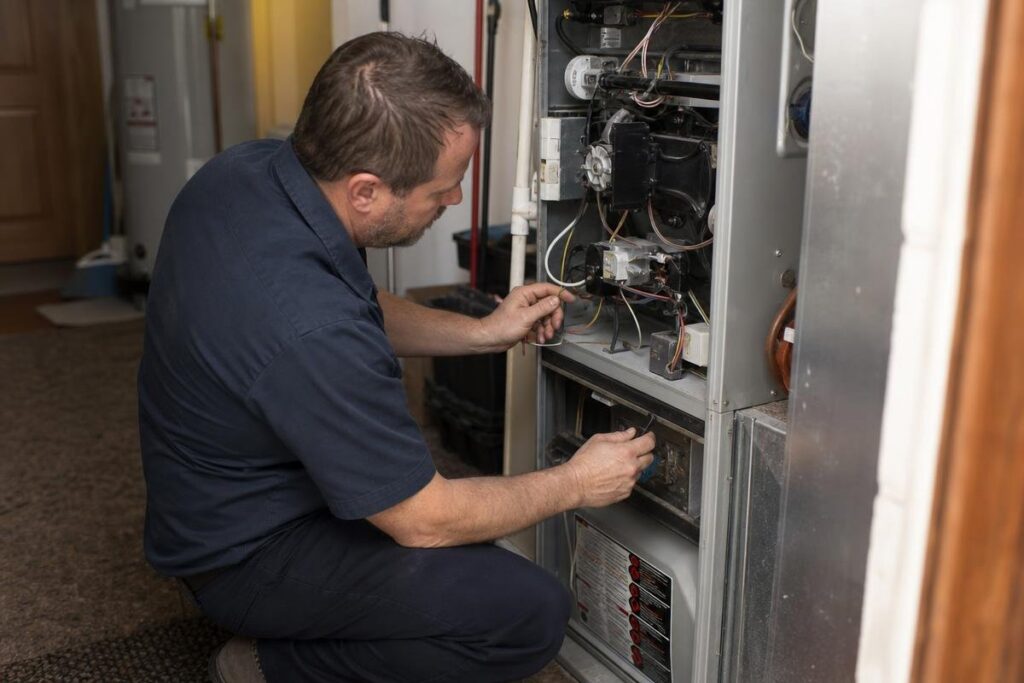
St. Paul winters are brutal. January lows near -6°F mean your furnace isn’t a luxury, it’s a lifeline. Skipping a furnace tune up in this climate is a real risk, especially in older St. Paul homes where cracked heat exchangers and aging flue systems can go undetected all season. McQuillan Home Services LLC has served Twin Cities families for over 140 years, and our NATE-certified, state-licensed technicians complete thousands of heating inspections across the metro every fall.
One annual checkup is all it takes to catch small problems before they become dangerous ones. Don’t wait for a breakdown on the coldest night of the year. Schedule your furnace tune up now.
Key Takeaways
- A poorly maintained furnace can run 10 to 25 percent less efficiently, costing a typical St. Paul household $150 to $400 in extra gas every winter.
- A professional furnace tune up includes a heat exchanger inspection that can catch carbon monoxide risks before they become emergencies.
- Older St. Paul homes are especially prone to cracked heat exchangers and failing flue systems, and pre-1970 housing stock is common across the city.
- The best time to book is late August through mid-September, before the November scheduling rush stretches wait times out by weeks.
Why St. Paul Winters Are So Hard on Furnaces
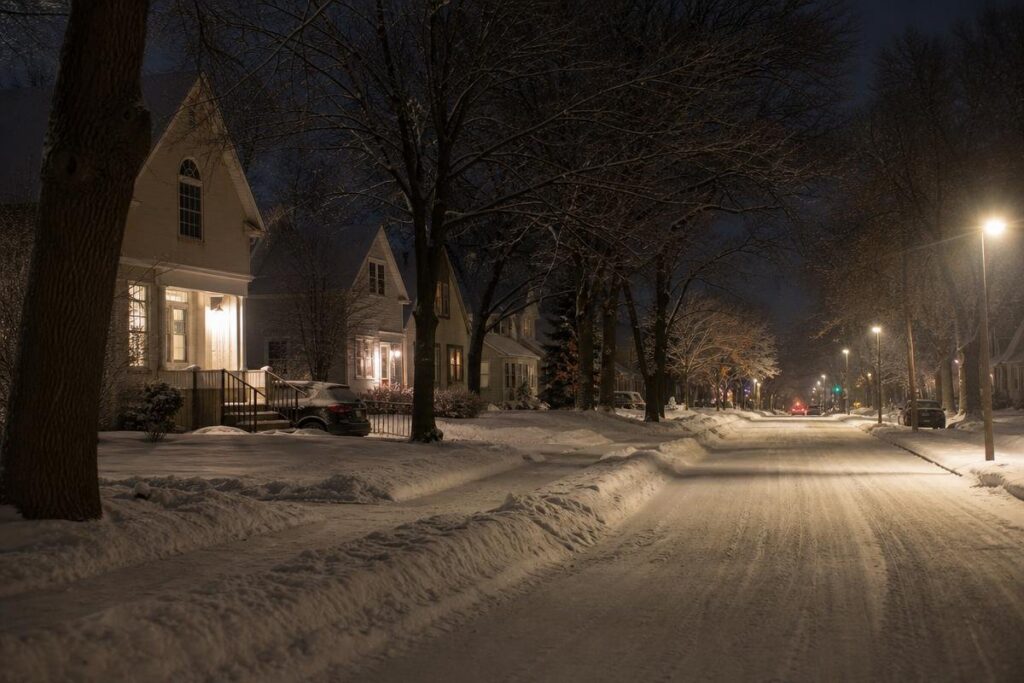
Your furnace works harder than almost any other furnace in the country. Twin Cities heating seasons run October through April, which puts more than 2,000 operating hours per year on a single piece of equipment. When wind chills push into the -20s, a furnace failure stops being an inconvenience and becomes a safety emergency.
The metro also logs one of the highest heating-degree-day totals in the continental U.S. That kind of demand wears on equipment fast. Skip a tune up and you’re looking at three real risks: a mid-season breakdown, higher gas bills, and a cracked heat exchanger leaking carbon monoxide into your home.
Below we cover what a tune up includes, what it costs, and what happens when you skip it. If winter prep is on your mind, reviewing other seasonal maintenance tasks before the cold sets in is also worthwhile.
What Does a Furnace Tune Up Actually Include?
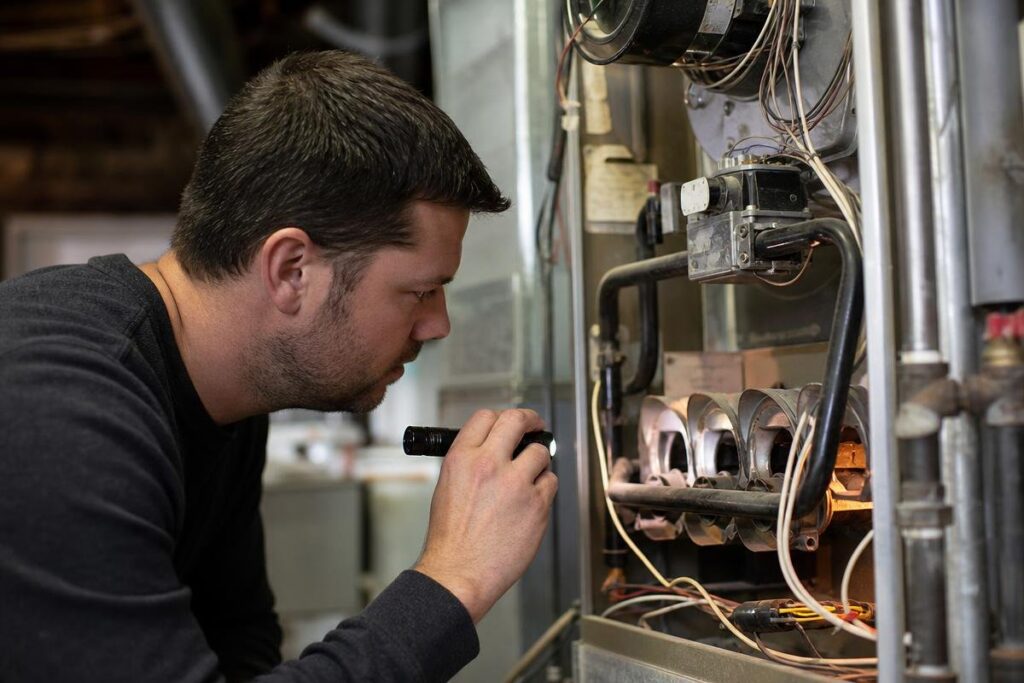
A furnace tune up includes a heat exchanger inspection, a combustion and carbon monoxide test, flame sensor cleaning, a blower motor check, and thermostat calibration, typically completed in 60 to 90 minutes. It covers far more than swapping a filter. Here is what our NATE-certified technicians do on every visit.
The Safety Checks That Matter Most
This is where we spend the most time. Homes in older Twin Cities neighborhoods like Frogtown and the North End often have cast-iron or steel heat exchangers that crack over years of thermal cycling. A cracked exchanger leaks carbon monoxide directly into your living space. We inspect it with a flashlight and mirror, looking for fractures, rust, or separation.
- Heat exchanger inspection for cracks and corrosion
- Flue and venting check for blockages or back-drafting
- Carbon monoxide test at the unit and at supply registers
- Burner flame color check: steady blue is correct, yellow or orange means incomplete combustion
- Flame sensor cleaning: a dirty sensor is the top cause of no-heat calls in January
That flame sensor issue is worth calling out. When it fails, the furnace short-cycles, which puts repeated stress on the heat exchanger and speeds up cracking. Catching it during a seasonal furnace service prevents a chain reaction of bigger problems. Want to know what a tune up costs for your system? Get a straight answer before you book.
Efficiency and Performance Tasks
After safety, we focus on how well the system runs. A furnace working harder than it should drives up your gas bill. If you want to lower your energy bills this winter, a tuned furnace is the fastest place to start.
- Burner cleaning and adjustment
- Blower motor inspection and lubrication
- Filter condition check and replacement recommendation
- Thermostat calibration verification
- Gas pressure and heat rise measurement
What the Technician Leaves Behind
Every visit ends with a written findings report. Safety concerns get flagged in writing. Filter condition is noted. If we find something that needs repair or if the furnace is approaching end of life, you get a written estimate before we leave. No guesswork, no surprise calls later.
Why St. Paul Winters Make a Furnace Tune Up Non-Negotiable
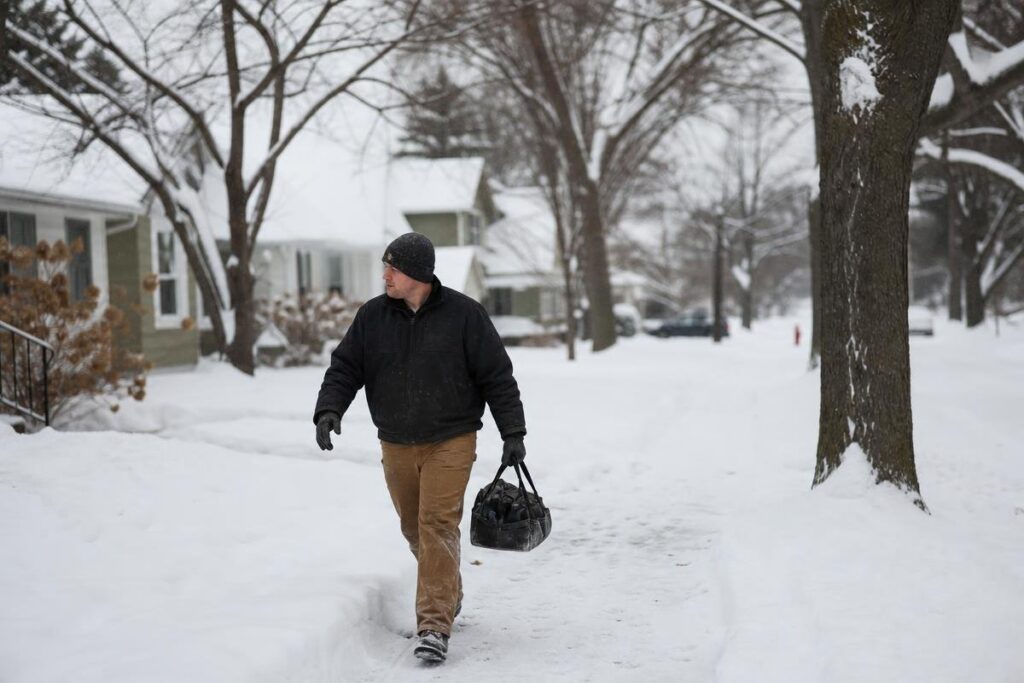
Most American cities put their furnaces through a mild workout each winter. The Twin Cities are not most cities. Our climate ranks among the harshest in the continental U.S. Atlanta averages fewer than 3,000 heating degree days a year. Columbus sits around 5,500. Our metro sits well above 8,000. That gap is not a footnote. It is the reason heating system maintenance here demands a different level of attention than nearly anywhere else in the country.
January lows here regularly drop to single digits or below, with wind chills in the negative twenties. A furnace failure in those conditions is a safety emergency. Our team offers 24/7 emergency service as a safety net, but an annual furnace tune up is how you avoid needing that call at 2 a.m. in February.
The Math on a Minnesota Heating Season
Seven months of near-continuous run time, as noted above, means a residential furnace in the metro can log well over 2,000 operating hours in a single year, far above the national average. That kind of workload accelerates wear on igniters, blower motors, flame sensors, and heat exchangers. Catching that wear early is exactly what a preventive maintenance visit is designed to do, and it keeps the system running efficiently instead of straining against the cold.
Older Homes, Older Furnaces: A St. Paul Reality Check
A large share of the housing stock in neighborhoods like Cathedral Hill and Dayton’s Bluff predates 1970. Many of those homes still have original flue tile liners or gravity-duct systems that were later converted to forced air. Furnaces in these homes are often 15 years old or more. At that age, cracked heat exchangers and corroded burners are not hypothetical risks. They are common findings. A tune up gives you honest data on whether to repair or replace before the coldest stretch of winter arrives. Fall appointments fill fast in the Twin Cities. Lock in your spot before the rush.
What Happens When You Skip the Annual Tune Up?
Skipping a tune up does not save money. It defers costs and adds real risk. A furnace that goes uninspected runs harder, burns more fuel, and is one cold snap away from leaving you without heat.
Higher Gas Bills All Winter Long
A poorly maintained furnace can run 10 to 25 percent less efficiently than a tuned unit. In the Twin Cities metro, a typical household spends $1,200 to $2,000 or more on natural gas heating each winter. That efficiency gap can cost you $150 to $400 extra before spring arrives.
A professional furnace inspection catches small problems before they eat into your budget. A dirty burner, a failing flame sensor, or a restricted heat exchanger all force the system to work harder to hit the same thermostat setting. You pay for every extra minute it runs.
Breakdowns at the Worst Possible Time
Furnaces fail on the coldest nights. That is not a coincidence. Extreme cold pushes a marginal system past its limit. An igniter running at 20 percent capacity, an oxidized flame sensor, or a worn capacitor will hold on until demand peaks, then quit.
When January lows in Woodbury or Maplewood drop to single digits, HVAC companies are fully booked and parts are backordered. An annual tune up catches those failing components in September, not at 11 p.m. in February when your options are limited.
Safety Risks You Can’t See
A cracked heat exchanger leaks carbon monoxide. It is odorless and colorless. It can seep into your living space for weeks before anyone notices symptoms. Older homes in neighborhoods like Hamline-Midway often have aging cast-iron heat exchangers that are more prone to cracking. The St. Paul Fire Department responds to CO calls every winter traced to exactly this failure.
A professional furnace inspection includes a heat exchanger check. That one step can be the difference between a repair bill and a medical emergency.
How Much Does a Furnace Tune Up Cost in St. Paul?
Typical Price Range for Professional Service
Furnace tune-up pricing in the Twin Cities varies based on your system type and age. If your home has a two-stage or modulating furnace, or a whole-home humidifier tied into the system, expect additional inspection points to affect the final price.
A few things affect the final number:
- Whether a new filter is included or billed separately
- The age and type of your equipment
- Any add-on services like a heat exchanger inspection or flue cleaning
Our technicians inspect first. They walk you through their findings and provide a written estimate before any additional work begins. No surprises.
Is a Maintenance Plan Worth It?
For homeowners running a furnace from October through April, a maintenance agreement makes real financial sense. That is a seven-month heating season. Your furnace is working hard.
A maintenance plan typically bundles the annual tune up with priority scheduling, repair discounts, and often a spring cooling tune up. A maintenance plan gives you a built-in annual checkpoint to evaluate your system’s efficiency and catch wear before it becomes a repair. For older homes with aging equipment, that yearly review can catch a cracked heat exchanger before it becomes a carbon monoxide risk.
The math is straightforward. One avoided emergency repair call pays for several years of maintenance coverage. Get your furnace tuned up before the cold hits. Flexible scheduling available now.
When Should You Schedule a Furnace Tune Up?
The Best Time of Year in Minnesota
The sweet spot for furnace maintenance in the Twin Cities is late August through mid-September. Booking early means you get a preferred appointment time, an unhurried technician, and any needed parts ordered before temperatures drop. It also means you beat the November rush, when heating calls stack up fast and scheduling windows stretch out by weeks.
By late fall, our team is fielding emergency calls alongside routine tune-ups. Those slots compete for the same technicians. If you schedule your seasonal furnace service now, you avoid that crunch entirely.
Already past mid-fall? Schedule anyway. A tune-up in January beats skipping it entirely. Furnace maintenance in the Twin Cities is available year-round, and catching a problem in winter is still far better than finding out your heat exchanger is cracked during a deep-cold stretch in Roseville.
Signs You Need a Tune Up Right Now
Some warning signs mean you should call today, not next fall. Watch for any of these:
- Short-cycling: the furnace kicks on and shuts off before the house warms up
- Yellow or flickering burner flames instead of steady blue
- Banging or rattling sounds on startup
- Uneven heat from room to room
- A gas bill noticeably higher than the same month last year
Any one of these points to a problem that will get worse through the heating season. A yellow flame in particular can signal incomplete combustion, which is a carbon monoxide risk. Getting a professional furnace tune up now can also help you protect your home from winter plumbing failures that follow a heating breakdown. Not sure if we have an opening this week? Find out in a couple of minutes.
DIY Furnace Maintenance vs. Calling a Professional
There are things you can handle yourself between visits, and there are things that require a licensed technician. Knowing the difference keeps your furnace running safely and keeps your manufacturer warranty intact.
What Homeowners Can Safely Do Themselves
These tasks are straightforward and make a real difference in how your furnace performs:
- Replace 1-inch filters every 1 to 3 months. Replace 4-inch media filters every 6 to 12 months.
- Keep the area around your furnace clear of boxes, laundry, and stored items.
- Check that all supply and return vents in your home are open and unblocked.
- Test your thermostat by cycling it through heat mode before the cold hits.
A clean filter improves airflow and takes strain off the blower motor. That helps your system run more efficiently and can trim your heating costs. But a clean filter is not a substitute for a professional furnace inspection. It just means you’re doing your part between visits.
What Requires a Licensed HVAC Technician
Some tasks on a furnace tune up checklist are not DIY territory. In Minnesota, working on gas appliances without proper certification is illegal. Attempting to clean burners or adjust gas pressure without training risks a gas leak, a cracked heat exchanger, or a voided warranty.
A licensed technician handles combustion analysis, heat exchanger inspection, gas pressure testing, electrical connection checks, and carbon monoxide measurement. These are not optional steps. The Twin Cities Fire Department responds to carbon monoxide calls every winter, and many trace back to cracked heat exchangers that went undetected. A professional catches those problems before they become emergencies.
St. Paul Homeowners Trust McQuillan Home Services LLC for Furnace Care
McQuillan Home Services LLC is based right here in the Twin Cities, and our team has earned a 4.6-star average across over 5,000 customer reviews. Our technicians are NATE-certified and state-licensed, and we have been serving St. Paul households for generations. That track record is built on furnace maintenance St. Paul homeowners can count on before temperatures drop into the single digits.
Two things come up again and again in those reviews. First, our technicians confirm the diagnosis on-site and walk you through exactly what they found before any work starts. You get a written estimate, not a surprise invoice. Second, when the situation is urgent, our team arrives prepared to diagnose and solve the problem the same day.
We do offer 24/7 emergency service for nights when a furnace quits in the middle of a January cold snap. But that safety net is not the goal. The goal is a thorough tune up that keeps you out of that situation entirely. Homes across Maplewood, Roseville, and West Seventh have older heating systems that benefit from a professional eye every single year.
Frequently Asked Questions
How often should I get a furnace tune up in St. Paul?
Once a year is the standard recommendation. If your furnace is 15 years or older, a mid-season check is worth considering. The Twin Cities heating season runs long and hard, and older systems in neighborhoods like West Seventh or Summit Hill carry more risk of heat exchanger stress over time.
How long does a professional furnace tune up take?
Most standard gas furnace tune ups take 60 to 90 minutes. Two-stage or modulating furnaces with add-on components like a whole-home humidifier or UV air purifier can take longer. Plan for about two hours if your system has extras.
Will a tune up fix my furnace if it’s already not heating properly?
It depends on the cause. A tune up includes diagnostics, so dirty flame sensors, clogged burners, and failing igniters can often be addressed during the same visit. If the problem is a failed part or a cracked heat exchanger, that moves into repair territory. Either way, a tune up is the right starting point.
What is the difference between a furnace tune up and a furnace repair?
A tune up is preventive service on a furnace that is still running. A repair is corrective work after something has already failed. Catching a weak igniter in September costs far less than an emergency no-heat call in January.
How much does a furnace tune up cost in St. Paul, MN?
Pricing varies based on system type and any additional work identified during the visit. Contact us for an upfront estimate before we start. It is a small cost compared to an emergency repair or early replacement.
Can I schedule a furnace tune up in the middle of winter?
Yes. Our team schedules heating tune ups year-round. A mid-season tune up is far better than skipping one entirely. If your system is showing warning signs right now, do not wait until next fall to prevent a no-heat emergency this winter. Act on it now.
Twin Cities winters do not wait. If your furnace has not been serviced this year, or if it is showing any of the warning signs covered above, contact McQuillan Home Services LLC online now. Our heating team schedules tune ups year-round, and we show up with the tools and training to inspect, clean, and test your system the same day. Book your annual furnace tune up today and go into winter knowing your heat will hold.
Ready to Get Started with McQuillan Home Services LLC?
Get in touch to speak with our team directly. We’re ready to answer your questions, walk you through your options, and help you find the right solution for your needs. Whether you’re just starting to plan or ready to move forward, we’ll make the process simple and stress-free.
Reach out today and let’s talk about how we can help.