Minnesota winters are no joke. St. Paul homeowners pay some of the highest heating bills in the country, and if your house was built before 1940, you’re likely losing a significant chunk of that money straight through the walls and attic. Knowing how to lower energy bills starts with understanding where your home is wasting energy.
McQuillan Home Services LLC has helped Twin Cities households fix exactly that, covering everything from furnace tune-ups to water heater upgrades. Below are 10 practical steps you can act on right now. Want a pro to find where your home is losing energy? We can help.
Key Takeaways
- Heating accounts for the largest share of energy costs in St. Paul, making furnace efficiency your biggest opportunity to save.
- Many St. Paul homeowners can lower energy bills by combining contractor upgrades with local utility rebate programs.
- Older neighborhoods with pre-1940 housing stock often have the worst air leaks and the most room for savings.
- Simple fixes like sealing drafts, adjusting your water heater temperature, and scheduling a furnace tune-up can cut monthly costs noticeably.
- A home energy audit is the fastest way to know exactly where your dollars are escaping.
Here is the pattern we see in home after home: your bill climbs past $200 from November through March, your furnace runs nearly nonstop, and heat leaks out through drafty windows and thin attic insulation before it ever warms the room. What follows covers 10 ways to reduce home energy costs, from free habit changes to professional upgrades.
Some you can do this weekend. Others, like a furnace tune-up or water heater service, are worth calling a pro. We cover the HVAC, plumbing, and electrical side so you have one place to start.
Why Are St. Paul Energy Bills So High?
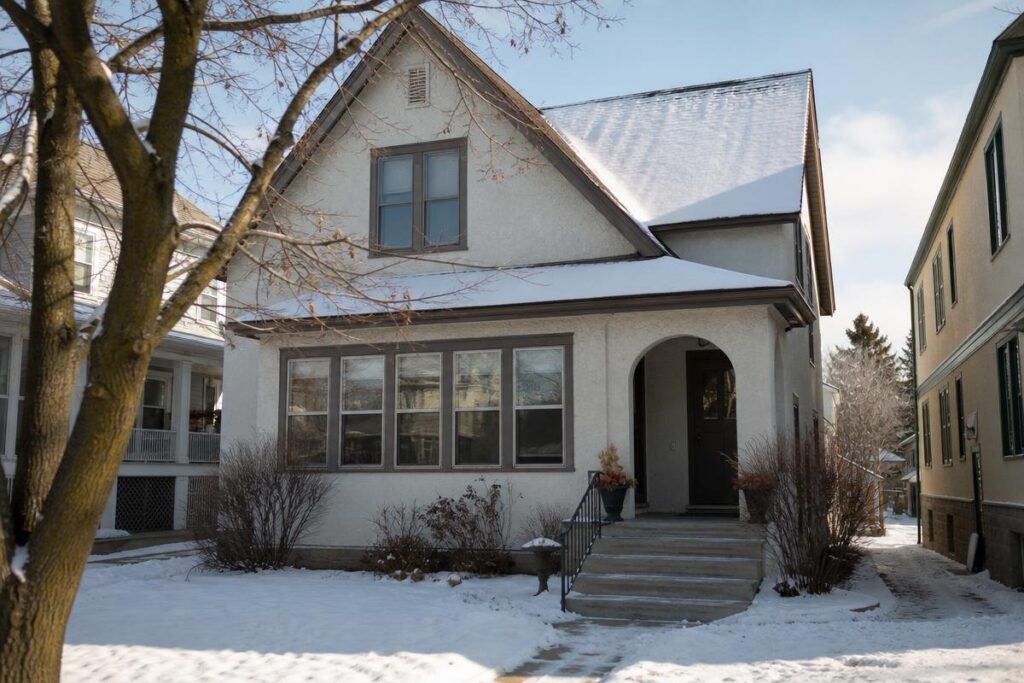
If your utility bills feel punishing compared to what friends in other states pay, there is a real reason for that. Two factors drive costs up here more than almost anywhere in the contiguous U.S.: the sheer length of our heating season and the age of the homes we live in.
Minnesota’s Climate Penalty: Heating Degree Days
The metro averages roughly 8,000 heating degree days per year, a measure of how hard your heating system has to work, and that puts us near the top of the list nationally. Furnaces and boilers here run hard from October through April, sometimes longer. That is six-plus months of continuous fuel burn.
Most Twin Cities households get their electricity through Xcel Energy and natural gas through CenterPoint Energy. Natural gas prices swing with national markets, so the rate you pay is largely out of your hands. Efficiency is the lever you actually control. A well-tuned furnace burns less fuel for the same heat output. If yours has not had a furnace tune-up recently, that is the first place to look when you want to reduce home energy costs.
Older Housing Stock and Leaky Building Envelopes
Neighborhoods like Summit Hill, Frogtown, and the West Side have high concentrations of pre-1940 homes. Many were built with single-pane windows and attic insulation rated at R-11 or less. Minnesota code recommends R-49 to R-60 for attics today. That gap is significant.
Gaps around rim joists and electrical penetrations let conditioned air escape year-round, not just in winter. Your furnace runs longer to compensate. Your A/C does the same in July. The result is money leaving through your walls continuously. Sealing those gaps and adding insulation are among the fastest ways to lower your electric bill and cut heating costs at the same time.
Where Does Most of Your Energy Dollar Go?
Heating and cooling account for 50 to 70 percent of a typical Minnesota home’s utility costs. That makes your HVAC system the single biggest lever you have for cutting monthly bills. Fix it first, and the savings follow.
Tip 1: Schedule a Furnace or Boiler Tune-Up Before Winter
A dirty or misfiring furnace can run 10 to 25 percent less efficiently than a clean, well-calibrated one. A proper furnace tune-up covers cleaning the heat exchanger, checking combustion efficiency, inspecting the flue, and calibrating the burner. Given our long heating season, skipping this step quietly costs you money every month from fall through spring.
In the homes we service, the most common issues our technicians catch are a clogged filter starving airflow and a slightly out-of-spec gas pressure, both cheap to correct during a tune-up but expensive to ignore.
CenterPoint Energy offers rebates on qualifying furnace and boiler maintenance visits. Ask our team about current programs when you schedule. Beat the first cold snap and the seasonal backlog that comes with it.
Tip 2: Upgrade to a Programmable or Smart Thermostat
The U.S. Department of Energy says setting back your thermostat 7 to 10 degrees for 8 hours a day can trim heating costs by up to 10 percent annually. In a Twin Cities winter, that adds up fast. Smart thermostats like Ecobee or Nest automate those setbacks so you never forget.
One caution we pass along to customers: a deep overnight setback in an under-insulated older home can trigger a long morning recovery that erases part of the savings. We typically recommend a moderate 6 to 8 degree setback in those houses. For multi-story homes where temperatures vary by floor, zone control is worth exploring with your HVAC technician. Xcel Energy offers rebates on qualifying smart thermostat installs for residential customers.
Tip 3: Seal Ducts and Air Leaks Around the House
Leaky ductwork wastes 20 to 30 percent of conditioned air before it reaches your living space. Use mastic sealant or metal-backed tape on accessible duct joints. Standard duct tape fails over time and is not the right material for this job.
In the older St. Paul homes we work in, the leaks we find most often are at the plenum connection right above the furnace and at attic bypasses around chimneys and wiring, spots most homeowners never think to check. Xcel Energy’s Home Energy Squad program offers blower-door testing for Twin Cities homeowners to pinpoint exactly where air is escaping. It is one of the best energy saving tips available at low or no cost before you spend a dollar on upgrades.
How Much Does Water Heating Really Cost You?
Your water heater runs around the clock, keeping 40 to 80 gallons hot whether you need it or not. That constant effort adds up. Water heating accounts for roughly 14 to 18 percent of a home’s total usage, making it the second-largest cost after space conditioning. Two straightforward moves can cut that number down.
Tip 4: Lower Your Water Heater Temperature to 120°F
Most water heaters ship from the factory set to 140°F. That is hotter than you need for dishes or showers, and it costs you money every single day. The Department of Energy estimates dropping to 120°F can reduce water heating costs by 4 to 22 percent, depending on your usage.
Adjusting the temperature yourself is straightforward. On a gas model, the dial sits right on the gas valve. On an electric model, you will find it behind an access panel on the tank. While you are at it, flush sediment from the bottom of the tank. Twin Cities water is moderately hard, and that mineral buildup quietly kills efficiency over time.
When we pull the anode rod on a St. Paul water heater that is more than five or six years old, the sediment layer is usually thicker than the owner expects. Sediment buildup is the most common cause of rumbling or popping sounds from a water heater. Rumbling tank or lukewarm showers? Let us flush, tune, or replace it before it fails.
Tip 5: Consider a Tankless Water Heater Upgrade
Tankless units heat water only when a tap opens. No standby losses. No tank keeping gallons hot at 3 a.m. That difference adds up to real savings over a year. One thing matters more here than in warmer states: sizing. Minnesota groundwater can drop below 40°F in winter. A tankless unit has to raise that water temperature fast enough to meet your whole home’s demand. An undersized unit will leave you with lukewarm showers on the coldest days.
Our team sizes every install to account for that temperature rise. Both Xcel Energy and CenterPoint Energy offer rebates for qualifying high-efficiency water heater upgrades. Check current program availability before you buy. Rebates can offset a meaningful portion of the upfront cost and pay off over the long run.
Lighting and Electrical Load: Small Changes, Real Savings
Lighting and plug loads are easy to overlook because no single bulb or device feels like a big deal. But across a full house, they add up fast. These three tips target your electric bill directly and work in any Twin Cities home.
Tip 6: Switch to LED Lighting Throughout the House
LED bulbs use about 75% less electricity than incandescent bulbs and last 15 to 25 times longer. For a home with 30 to 40 fixtures, that swap can save $100 to $200 per year on your electricity bill. Many older homes still have original fixture wiring that runs warm with incandescent bulbs, so the switch matters even more there.
- Use 2700K bulbs in living rooms and bedrooms for warm light
- Use 4000K bulbs in kitchens and work areas for crisp, clear light
- Look for ENERGY STAR-certified bulbs to confirm rated efficiency
Tip 7: Install Whole-Home Surge Protection
Grid switching, lightning, and large motor startups all send voltage spikes through your home’s wiring. Those spikes degrade appliances slowly over time. A whole-home surge protector installed at the main panel catches surges before they reach your refrigerator, HVAC system, or washer.
It is a straightforward electrical upgrade that protects the expensive equipment you already own. Our electrical team can install one in a single visit.
Tip 8: Add an EV Charging Station on a Dedicated Circuit
Charging an EV on a standard 120V outlet takes 8 to 12 hours per cycle. A dedicated 240V Level 2 circuit cuts that to 4 to 6 hours and lets you schedule charging during off-peak hours. That matters because Xcel Energy offers time-of-use rate plans for Minnesota residential customers where overnight rates are lower. Charging at night instead of during peak hours is a real way to save money on electricity without changing how you live.
Xcel also offers rebates for EV charger installation. Check current program availability before you purchase equipment, since rebate amounts change. Our team installs Level 2 chargers on dedicated circuits and can confirm your panel has the capacity before work begins. Ready to cut your electric bill with LED upgrades, surge protection, or an EV charger install? Our electricians serve the Twin Cities area and are available 24/7 for electrical needs.
Plumbing Upgrades That Cut Hot Water and Water Costs
Your plumbing system has a direct impact on how much you spend heating water every month. Two targeted upgrades can make a real difference, and neither requires a full remodel.
Tip 9: Install a Water Softener to Protect Appliances
The Twin Cities municipal water supply is moderately hard. That means calcium and magnesium deposits build up inside your water heater, dishwasher, and washing machine over time. Research from the Water Quality Research Foundation found water heaters running on hard water can lose up to 48% efficiency compared to units supplied with softened water. Your appliances work harder, run longer, and wear out faster.
A whole-home water softener installation removes those minerals before they reach your equipment. If you have noticed white scale on your faucets or showerheads, check out our post on 9 signs your St. Paul home has hard water to see how far along the problem may be. In older homes around Cathedral Hill and Dayton’s Bluff, decades-old supply lines tend to accumulate faster, which shortens appliance life.
Tip 10: Fix Leaks and Upgrade to Low-Flow Fixtures
A single dripping faucet wastes more than 3,000 gallons per year. That is water you are paying to heat and then losing down the drain. Low-flow showerheads rated at 1.8 GPM instead of the standard 2.5 GPM cut hot water use directly, which reduces the load on your water heater. Faucet aerators cost under $5 at any hardware store and are a straightforward DIY fix.
Leaks inside walls or under slabs are a different story. Guessing at the source means drywall cuts and wasted time. Our leak detection service locates the problem precisely before any repair work begins, so you are not paying for exploratory damage on top of the repair itself.
How Do St. Paul’s Neighborhoods and Home Ages Affect These Tips?
Older Homes: Insulation and Sealing Come First
Houses in the city’s historic neighborhoods are typically 80 to 120 years old. That age changes which upgrades give you the best return. Original plaster ceilings often have little to no insulation above them, so attic insulation is the first place to put your money. Duct sealing comes next. Leaky ducts in these homes can waste a significant share of your heated air before it ever reaches the room.
Original fixture wiring in these homes also runs warm under incandescent bulbs. Switching to LEDs is not just a bill-reduction move here, it is a safety improvement. Add a water softener if you have not already. The municipal water in this part of the metro is moderately hard, and scale buildup quietly shortens the life of your water heater and appliances. If you want to go further, ask your HVAC technician whether zone control makes sense for your home’s layout.
Newer Construction in Highland Park and Redeveloped Areas
Post-2000 builds in Highland Park and redeveloped pockets nearby already have better insulation and double-pane windows. Your highest-impact moves shift to smart thermostat programming, tankless water heater upgrades, and EV charger installation if that fits your household.
Do not assume a newer home is airtight, though. Duct leakage still shows up in homes built after 2000. If your bills seem high relative to your square footage, a pressure test is worth scheduling. Our team finds duct problems in newer builds more often than most homeowners expect.
Frequently Asked Questions
What uses the most electricity in a St. Paul home?
Heating and cooling account for 50 to 70 percent of your total home power use. After that, water heating is the next biggest draw, followed by appliances, lighting, and electronics. If your electric bill feels out of control, start with your HVAC system and water heater before worrying about lights.
How much can I save by upgrading to a high-efficiency furnace?
Upgrading from an 80% AFUE furnace to a 96 to 98% AFUE condensing model typically cuts heating fuel costs 15 to 20% per year. In a home spending $1,500 to $2,000 annually on natural gas, that is $225 to $400 back in your pocket each heating season. Payback usually runs 7 to 10 years, and CenterPoint Energy rebates can shorten that window. A high-efficiency furnace upgrade is one of the highest-return heating investments available for Twin Cities homeowners.
Is a tankless water heater worth it in Minnesota’s cold climate?
Yes, with the right sizing. Groundwater here drops to 38 to 42 degrees Fahrenheit in winter, so you need a properly sized whole-home unit, typically 180,000 to 199,000 BTU for natural gas. A quality tankless unit runs at 94 to 98% thermal efficiency compared to 60 to 70% for older tank models. That gap adds up fast over a full heating season.
What is a time-of-use electricity plan and should I switch?
Xcel offers time-of-use plans for residential customers in the Twin Cities area. You pay less for power during off-peak hours and more during peak demand windows. If your household can shift laundry, dishwasher cycles, or EV charging to evenings or weekends, this plan can lower your electric bill noticeably. It works best for flexible schedules.
How do I know if my home has air leaks I should fix?
Hold a lit incense stick near window frames, exterior wall outlets, and spots where pipes or wires enter the wall. If the smoke moves sideways, you have a leak. For a precise map of every gap, Xcel’s Home Energy Squad offers blower-door testing for Twin Cities homeowners. Older homes in areas like the North End or Dayton’s Bluff tend to have the most leakage given their age.
Does McQuillan Home Services offer 24/7 emergency service for HVAC and plumbing?
Yes. We provide 24/7 emergency service for heating, cooling, and plumbing across the Twin Cities area. Whether your furnace quits at midnight in January or a pipe lets go over a holiday weekend, our team responds fast and explains the work clearly before starting anything.
Ready to tackle the upgrades that actually move the needle on your bills? Our team handles furnace tune-ups, smart thermostat installs, tankless water heater replacements, water softeners, surge protection, and EV charger wiring. We are based in St. Paul and available around the clock for both planned upgrades and emergency calls.
Visit us at 1727 MN-36, St Paul, MN 55109 or reach out online to schedule a service visit. The sooner you act, the more you save before next heating season.
Ready to Get Started with McQuillan Home Services LLC?
Get in touch to speak with our team directly. We’re ready to answer your questions, walk you through your options, and help you find the right solution for your needs. Whether you’re just starting to plan or ready to move forward, we’ll make the process simple and stress-free. Reach out today and let’s talk about how we can help.